A register, not an institute
Equality in Marriage is a publication about marriage as a practice: what was done, where, with which objects, and written down in which book.
Every piece here is an entry. It takes one practice, one object or one document and describes it as it was done — the banns read on three Sundays, the column a printed register reserved for occupation, the chest that was carved on three sides because the fourth stood against a wall. Where a practice varied by place or century, the entry says so rather than smoothing it into a single account.
The register is the model for the whole publication, and not only as a metaphor. A register is a form that decides in advance what will be remembered: a column for a father’s name means every entry carries one, and no column for a mother’s means none does. Reading marriage through its paperwork gets you closer to how households actually worked than reading it through its ceremonies.
What this is not
It is a publication, not an institute, a charity or a campaign. There is no membership, nothing to join, nothing to donate to and no helpline. It carries no guidance about anyone’s own marriage: nothing on divorce, separation, legal process, rights, entitlements, property or counselling, and nothing framed as what a reader ought to do.
How the entries are made
Entries are written from documentary and material evidence: registers and their printed forms, inventories, account books, jewellers’ order books, statute, and the objects themselves. There are no first-person accounts, no invented case studies and no profiles of living people. Where an explanation for a custom is contested — and most of the good ones are — the entry gives the competing accounts rather than picking a favourite.
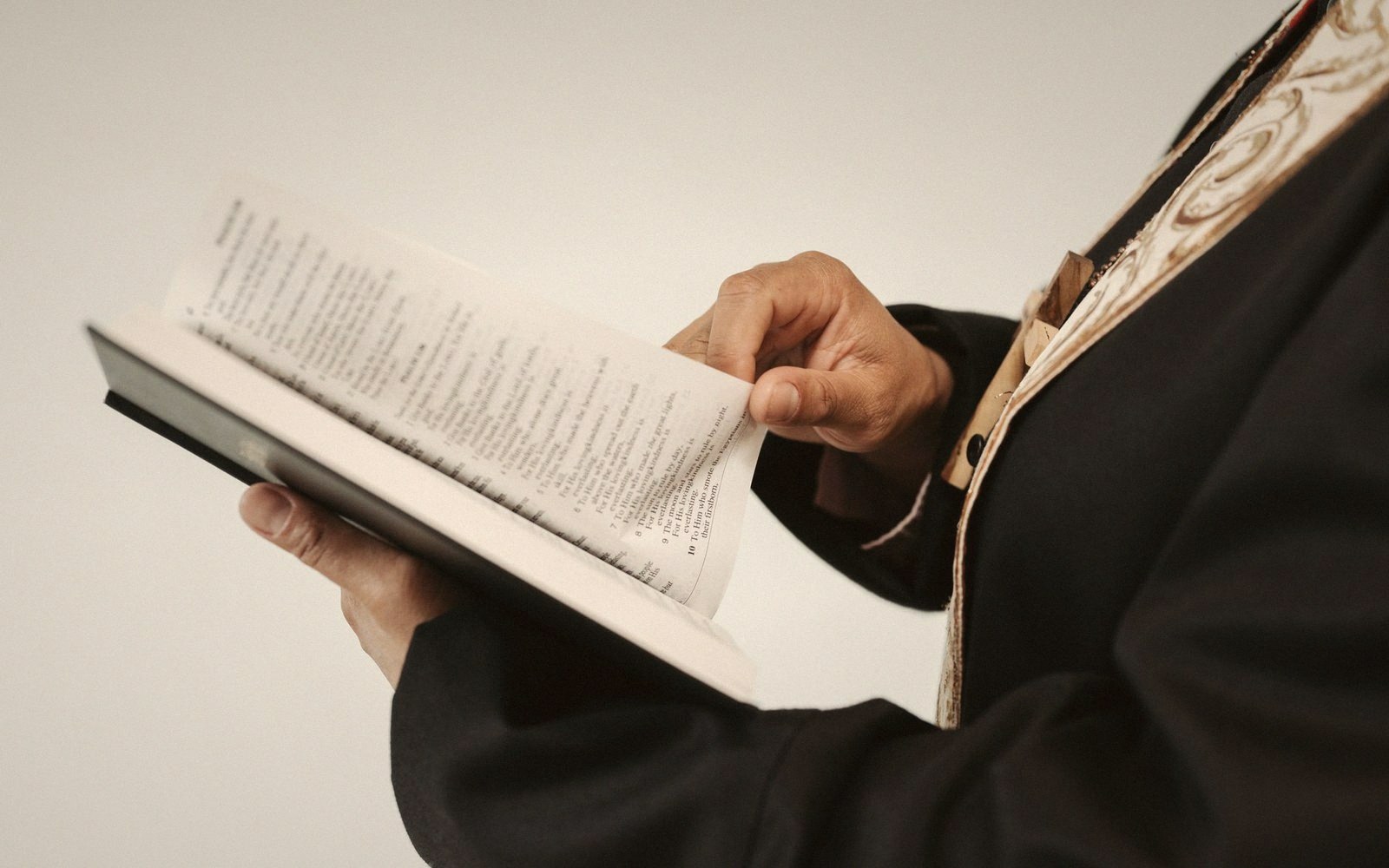
Photographs are chosen to show the object or the room, not to illustrate a mood. Credits sit under each caption.
How it is arranged
Six sections, listed below and in the header of every page. Each carries its own mark, and the same mark means the same section wherever it appears — in the header, on a section page, or beside the title of an entry.