In the same column
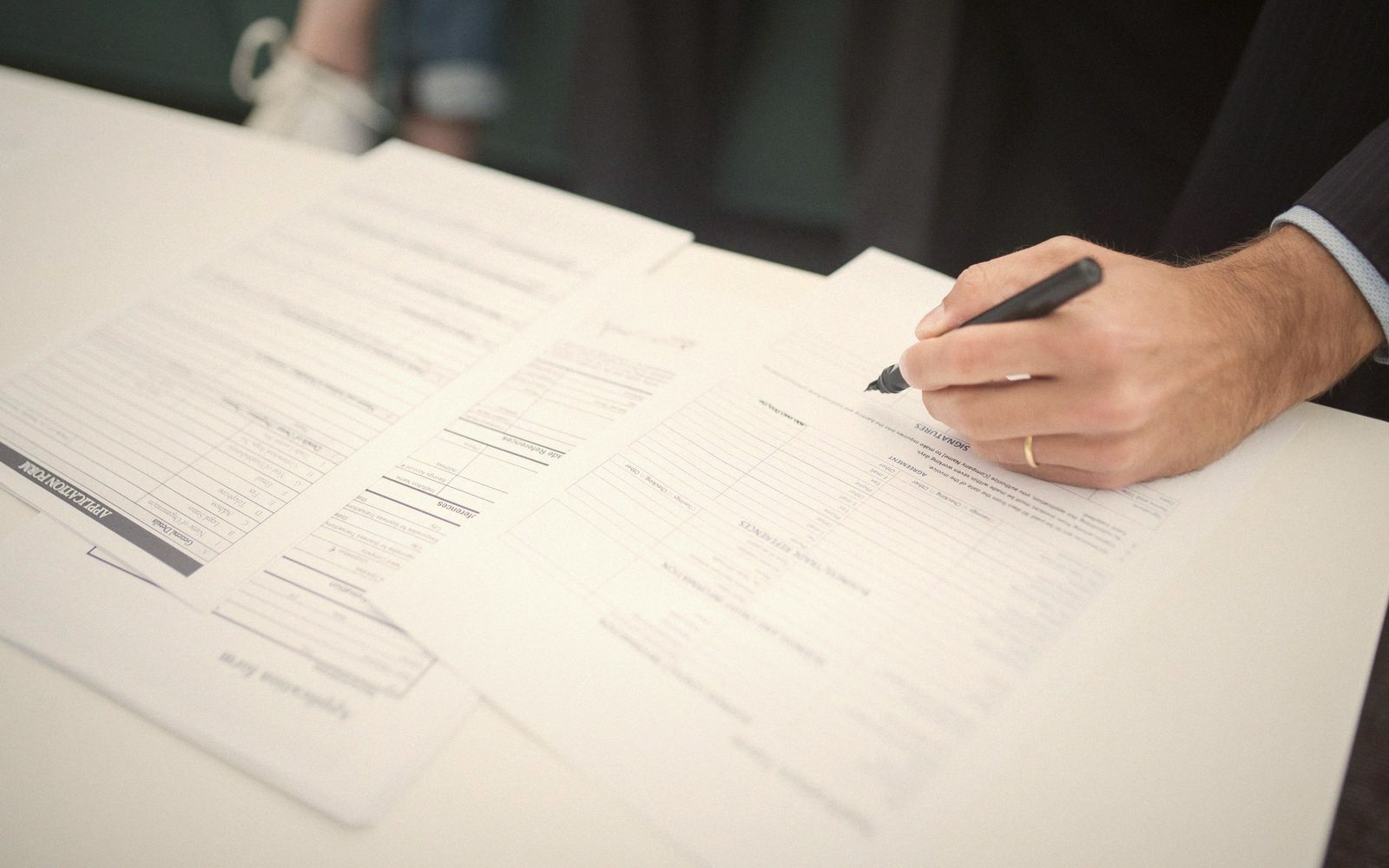
Printed registers fix what gets recorded. Once a form has a column for occupation, occupation is recorded for everyone — and once it has none, that fact vanishes.
Banns: the intention read publicly on three separate occasions so that anyone with an objection had a chance to make it. A public-notice system that predates any central registry, and the reason so many marriages happened in one particular season.
Read the entry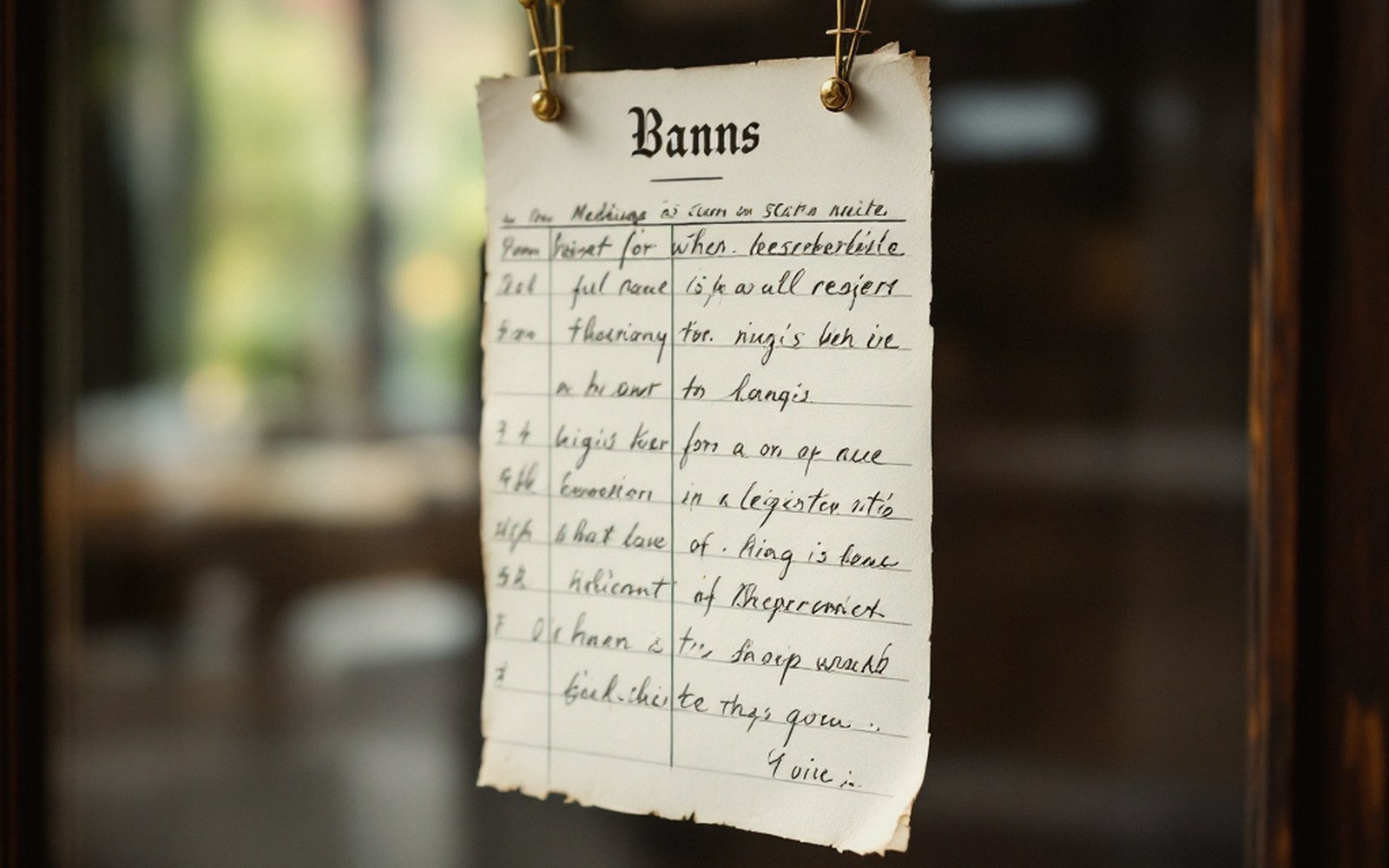
Printed registers fix what gets recorded. Once a form has a column for occupation, occupation is recorded for everyone — and once it has none, that fact vanishes.

A plain circle chosen because it has no start and no end — a reading applied to the object long after people had been using rings for entirely practical reasons.
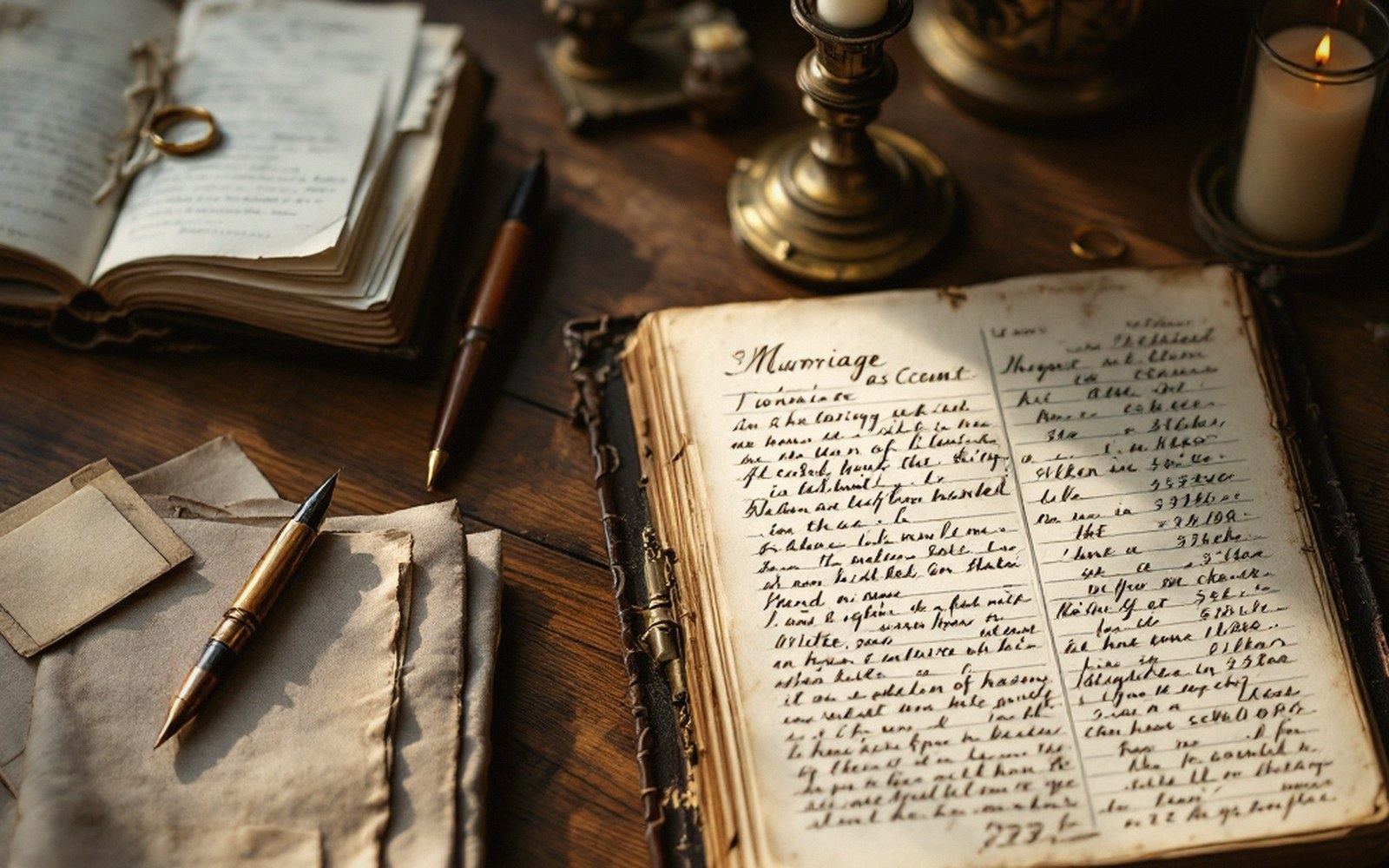
Household accounting was frequently the wife's work regardless of who owned the property, and the surviving books are some of the best evidence of how houses ran.
A dowry chest was an inventory as much as a container: linen counted, listed and sometimes valued, because it might have to be returned.
Name change on marriage is a custom, not a universal, and several European traditions never adopted it at all.
Two people whose only job was to have been present, and whose names outlast them.
In some places the ring is worn on the right hand, in some on the left, and in a few the question has changed sides more than once without anyone recording why.
The rite itself, and who was entitled to perform it.
The document, its columns and what they were for.
Rings and the other objects that stood for the thing.
Dowry, chest and inventory — what each side arrived with.
What people were called afterwards, and who decided.
The household as a working arrangement.