Who changed, and who did not
Name change on marriage is a custom, not a law of nature — and several European traditions never adopted it at all.

A convention masquerading as a rule
In England and much of North America, the assumption that a wife takes her husband's surname on marriage became so deeply embedded that many people absorbed it as a legal requirement. It was never that. English common law operated on the doctrine of coverture — the legal fiction that a married woman's identity merged into her husband's — but it never mandated a name change. What it did was make a woman's former legal existence inconvenient enough that using a different name from her husband became practically difficult. The surname shift followed social and administrative pressure, not statute.
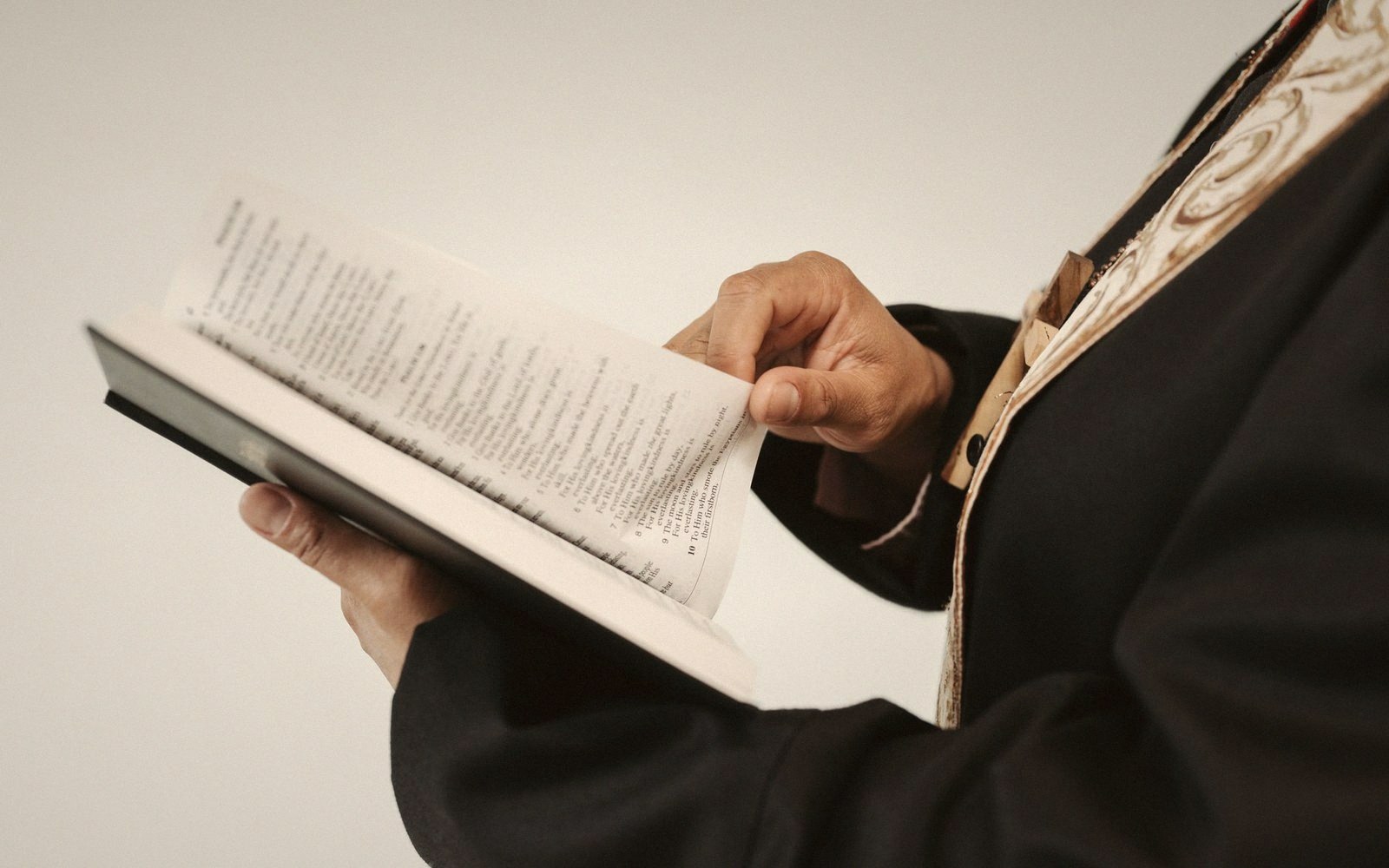
The earliest English parish registers of the sixteenth century simply record the names people brought to the church door. A woman who signed or marked the register at her wedding appears under her birth name; the same woman, buried thirty years later, appears under her husband's. The change happened somewhere in between, invisibly, because no ceremony or document required it. It accumulated through use: neighbours called her by her husband's name, tradesmen wrote her down that way, and eventually the older name disappeared from the record entirely. Tracing a woman through the records is consequently harder than tracing a man across the same span of time.
What other traditions did instead
Across much of continental Europe, the picture was — and in many countries remains — quite different. In Spain and most of Latin America, the system of compound surnames means that every person carries one surname from each parent and passes a different combination forward to their children. Marriage changes nothing in that structure: a woman born with her two surnames keeps both, and her children receive one from her and one from their father. The same logic applies in Portugal. Neither system was ever built around the idea that marriage should alter a woman's name.
Iceland takes a different route entirely. Icelanders historically used patronymics — a person's second name was formed from their father's first name plus son or dóttir — so the name was never a family marker in the first place. Since it changed with every generation regardless, there was no inherited surname for marriage to displace. Modern Icelandic law formalised the tradition, and married couples there have no automatic expectation of sharing a name at all.
The earliest English parish registers of the sixteenth century simply record the names people brought to the church door.
In Greece, a woman has been legally required since 1983 to retain her birth surname after marriage, regardless of what she might prefer. The law reflects both a civil equality principle and the older Greek practice of women keeping their names in daily life even when earlier civil records had started attaching a husband's name to them. Belgium reached a similar position through its civil code, as did France — though in France the nom d'usage, a use-name, allows a spouse of either sex to add the other's surname in daily life while the legal name stays unchanged. The distinction between a name you use and a name you legally hold is one that common-law countries have been much slower to articulate.

Why the Anglophone custom became so visible
The reason the English-speaking tradition draws so much attention is partly that it was so total. Where Spanish or Greek practice kept women's birth names continuously in the record, the English system produced an almost complete administrative substitution. A woman's birth name ceased to appear on leases, bills, official correspondence and eventually on her grave. This is what makes the custom, viewed historically, unusual — not that spouses sometimes shared a name, but that one name was so thoroughly retired.
Married name change in the United States was codified unevenly by state, and the mid-twentieth century saw prolonged legal argument over whether a woman had the right to keep her birth name without bureaucratic obstruction — which is a different question from whether she was ever legally compelled to change it. The answer to both turned out to be no: no compulsion, but for a long time considerable resistance. Several US states only confirmed the right to retain a birth name, or to resume one after marriage, through court rulings in the 1970s and 1980s.
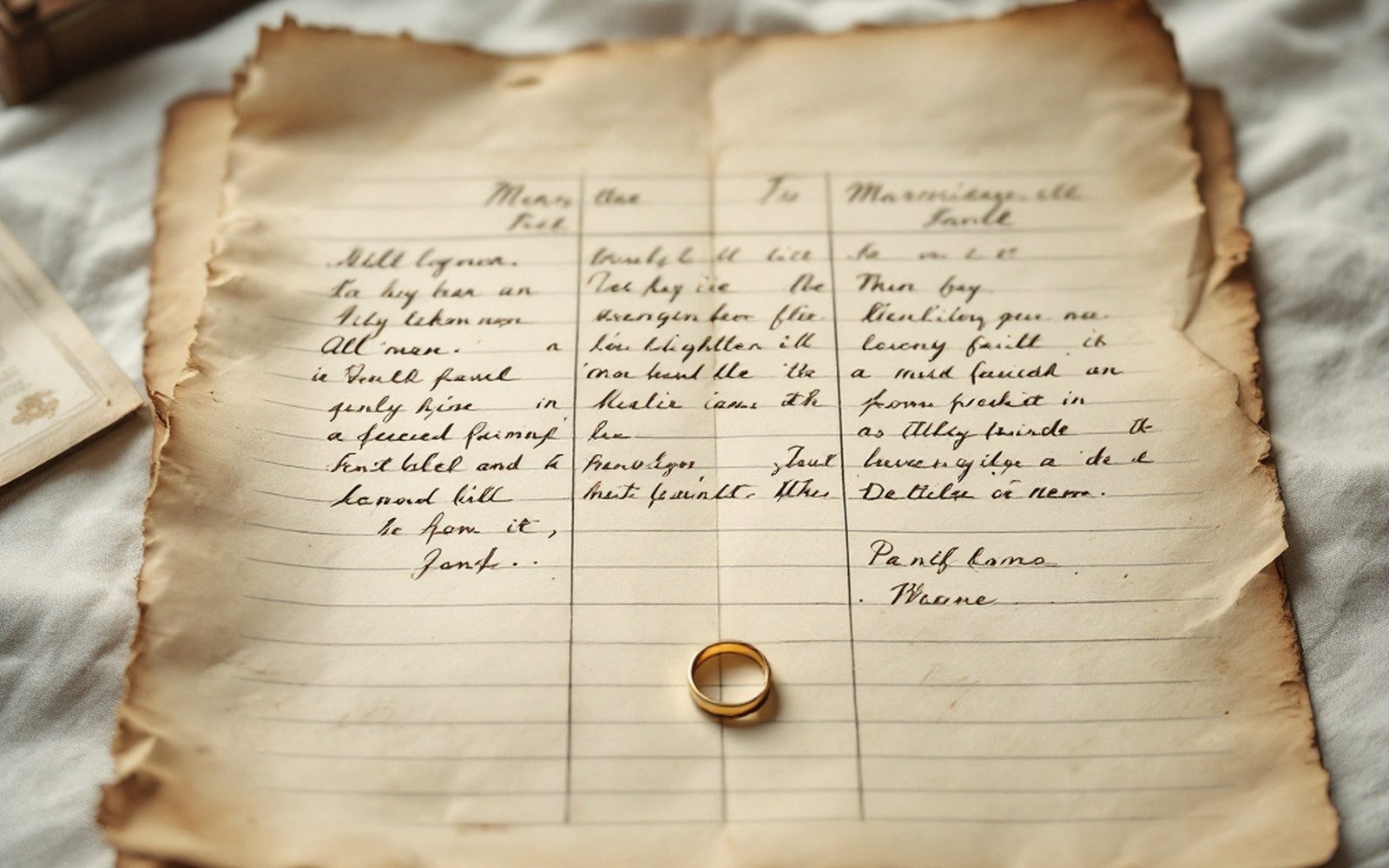
What changed across the Anglophone world was not the law but the machinery built around one custom — machinery so comprehensive that the custom looked, for generations, indistinguishable from a rule.