A band with no beginning
A plain circle chosen because it has no start and no end — a reading applied to the object long after people had been using rings for entirely practical reasons.

The meaning arrived late
The ring means eternity. Everyone knows this — and almost everyone who repeats it is describing a significance that was layered onto an object already in use for reasons that had nothing to do with love or time.
A plain circular band is, practically speaking, a very sensible piece of jewellery. It sits flush, it doesn't snag, it doesn't need a setting to hold a stone, and it can be made from almost any workable material. People wore rings in ancient Egypt, Mesopotamia and Greece for all the same reasons people wear them today: as markers of status, as seals, as currency-equivalents, as ornaments. A betrothal ring appears in Roman law as a pledge — arrha, a deposit or earnest — and the object's roundness was not, as far as the sources tell us, the point. The pledge was the point.
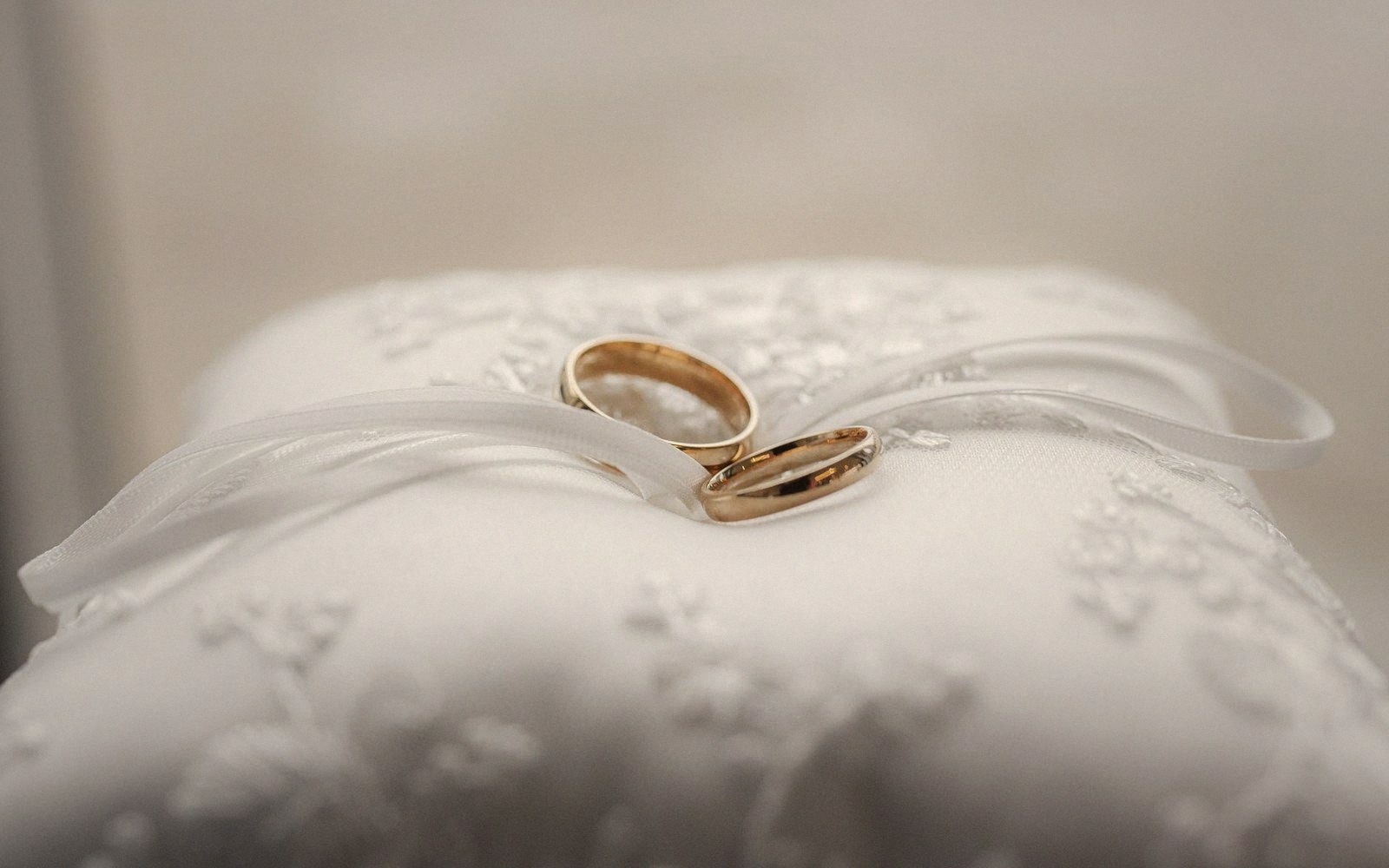
The eternity reading came later and by degrees. Early Christian writers began associating the circle's unbroken line with enduring faith, and the leap from that to enduring marriage was short. By the time medieval theologians were writing about wedding customs they often glossed the ring's shape as symbolic of infinity — but this was commentary, interpretation fitted to an object already chosen. The ring didn't start as a symbol and then become a ritual object; it was a ritual object that picked up a symbol.
What the band was actually made of
Material varied enormously by time and place, and material is where you can see the practical logic most clearly. Iron was common in Rome — durable, plain, nothing precious about it — and the anulus pronubus, the betrothal ring, was sometimes iron precisely because that suited a pledge of binding rather than display. Gold came later, and its spread in western European wedding practice tracked wealth and the habits of courts moving into wider culture.
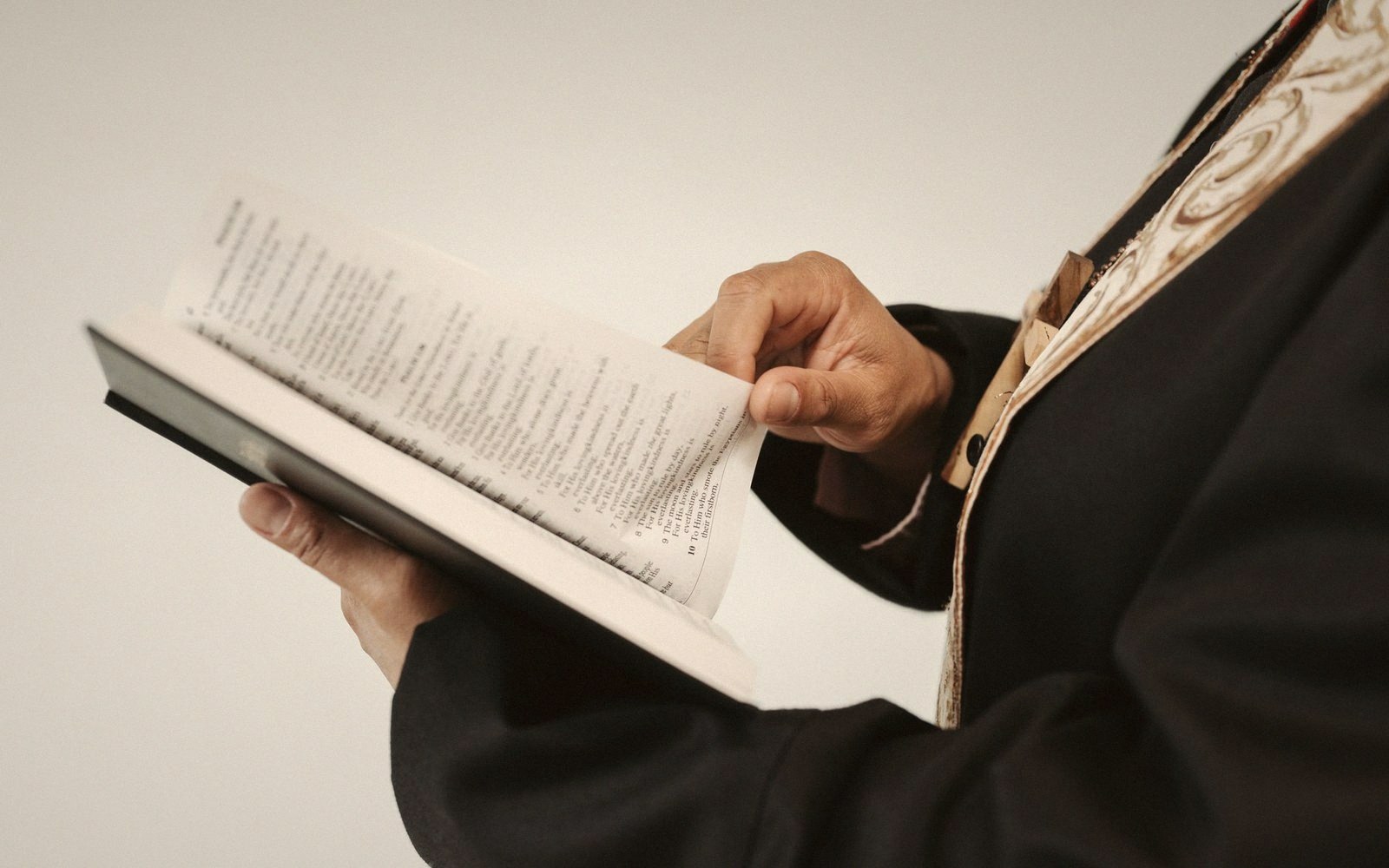
In England, a gold band appears in medieval wedding liturgy as the expected object, but probate inventories and church court records reveal that plenty of rings were silver or gilded brass. What mattered legally and ritually was the giving and the words, not the metal. The 1549 Book of Common Prayer specified the words to be said over the ring but was silent on what the ring should be made of. The ring's physical properties — its material, its weight, its finish — were left to custom and to whatever the parties could afford.
The ring didn't start as a symbol and then become a ritual object; it was a ritual object that picked up a symbol.
Posy rings, common from the fourteenth century through to the seventeenth, pressed yet another layer of meaning onto the object: a short verse or motto engraved inside the band, usually in French or English, invisible once the ring was on the finger. The exterior stayed plain. All the sentiment was on the inside, against the skin — a detail that was not accidental.
A reading fitted to an object
The neat irony of the "no beginning and no end" interpretation is that it was always a reading, an act of interpretation, rather than an origin. The people who first exchanged rings were not thinking about eternity; they were thinking about property, about pledge, about the visible claim one person was staking on another. The symbolism grew around the object the way a tree grows around a fence post — slowly, and without any one moment when it happened.
This is not unusual. Many of the most charged symbols in wedding custom accumulated their meanings gradually, each century adding a fresh layer of interpretation to an object or action whose origins were frankly instrumental. Tokens deliberately split in two so the halves could be matched later operated on pure logic — proof of identity, proof of prior agreement — before anyone wrote a word about wholeness restored or union completed.
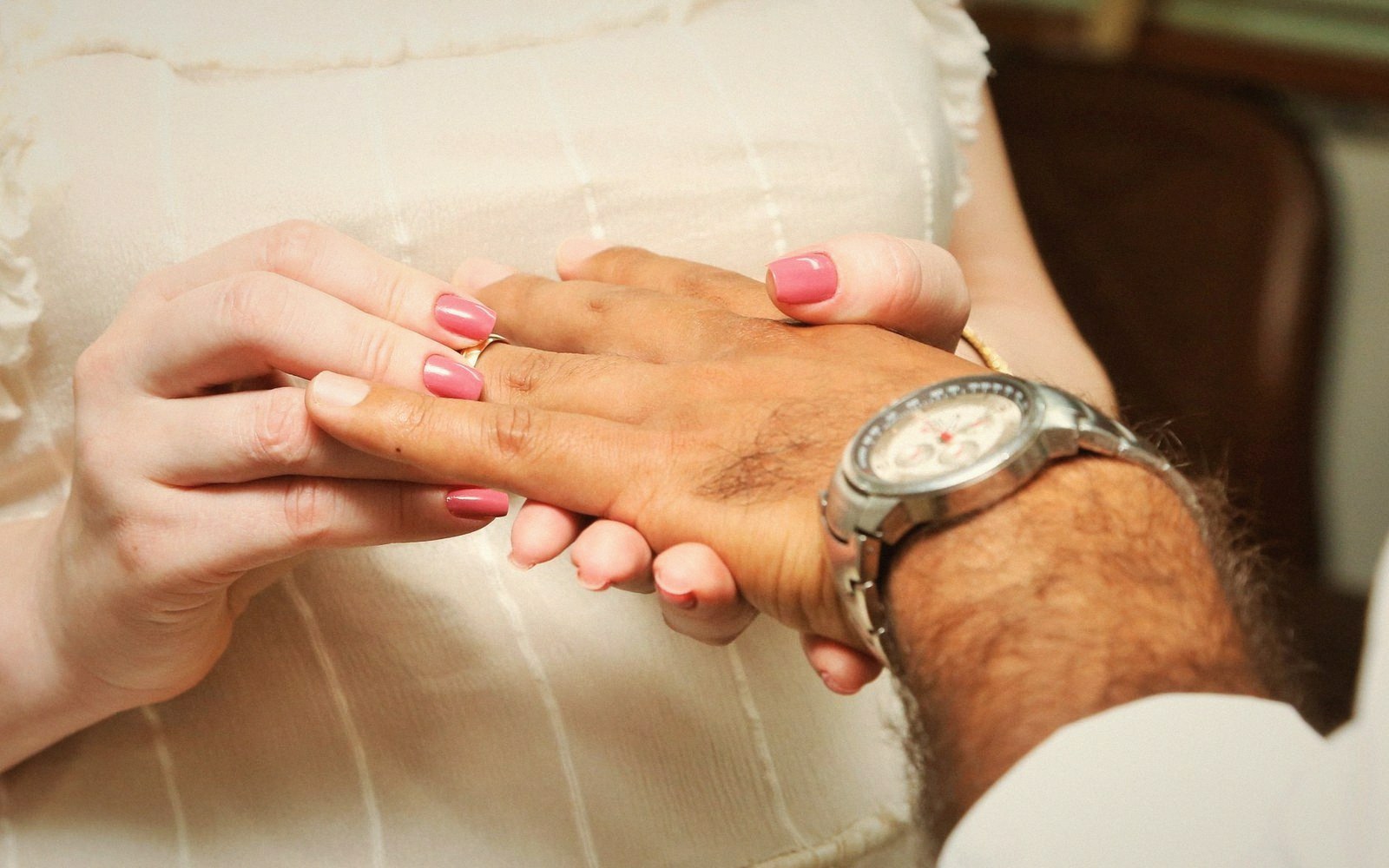
The band's genius, if that's the word, is that its shape genuinely does invite the reading. A circle is a circle. Once someone says this is endless, the idea stays. And because nobody can point to where the circle starts, nobody can quite argue with it.
What began as a pledge became a promise became a symbol of eternity — not because the object changed, but because the words around it did.