That particular finger
The ring finger was chosen long before anatomy could explain why — and the explanation that stuck was wrong.
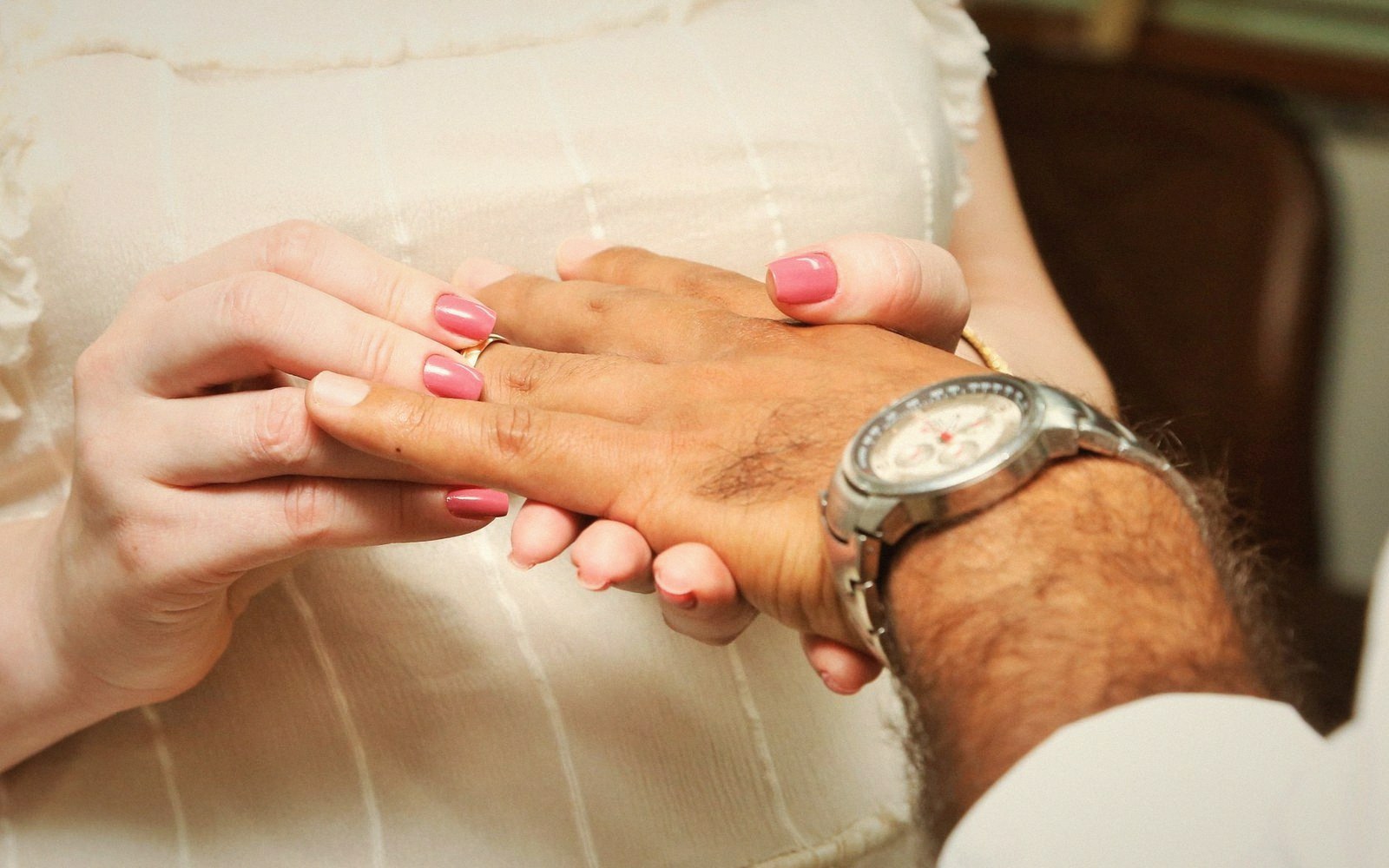
The vein that wasn't there
Ancient and medieval writers described a vessel running directly from the fourth finger of the left hand to the heart. The Romans called it the vena amoris, the vein of love, and it furnished a satisfying reason for placing the betrothal ring exactly there. The problem is that no such dedicated vein exists. Every finger connects to the same venous system; the fourth has no special claim on the heart.

The anatomical error was already old when early modern physicians began describing the body more carefully, and it made no difference. The finger stayed the finger. What the history of the custom actually shows is that the rationale arrived to explain a practice already in place, not to establish it. The Romans used the fourth finger of the left hand for signet rings too, which suggests the position had conventional weight before anyone reached for a medical justification.
The finger is not even consistent across traditions. In much of northern and eastern Europe — Germany, Norway, Russia, Greece — the ring has historically been worn on the right hand, the vena amoris story notwithstanding. England moved its ring from right to left during the Reformation, when reformers wanted to distinguish Protestant ceremony from Catholic practice, and the left hand became the default in English-speaking countries from roughly the sixteenth century onward. In Spain and many parts of Latin America, the right hand remained standard.

The blessing said over the ring in the Sarum Rite, the pre-Reformation English liturgy, specified that the ring be placed first on the thumb, then in turn on the first and second fingers, before coming to rest on the fourth: a Trinitarian progression by one account, a mnemonic act by another. Whatever the intent, the sequence ended in the same place. The finger had already been chosen. The story — vein, heart, love — was a way of making the choice feel inevitable, which is often how custom works: the practice first, the explanation after.