Linen counted by the dozen
Sheets, pillowcases, tablecloths: why cloth was the currency a bride brought with her
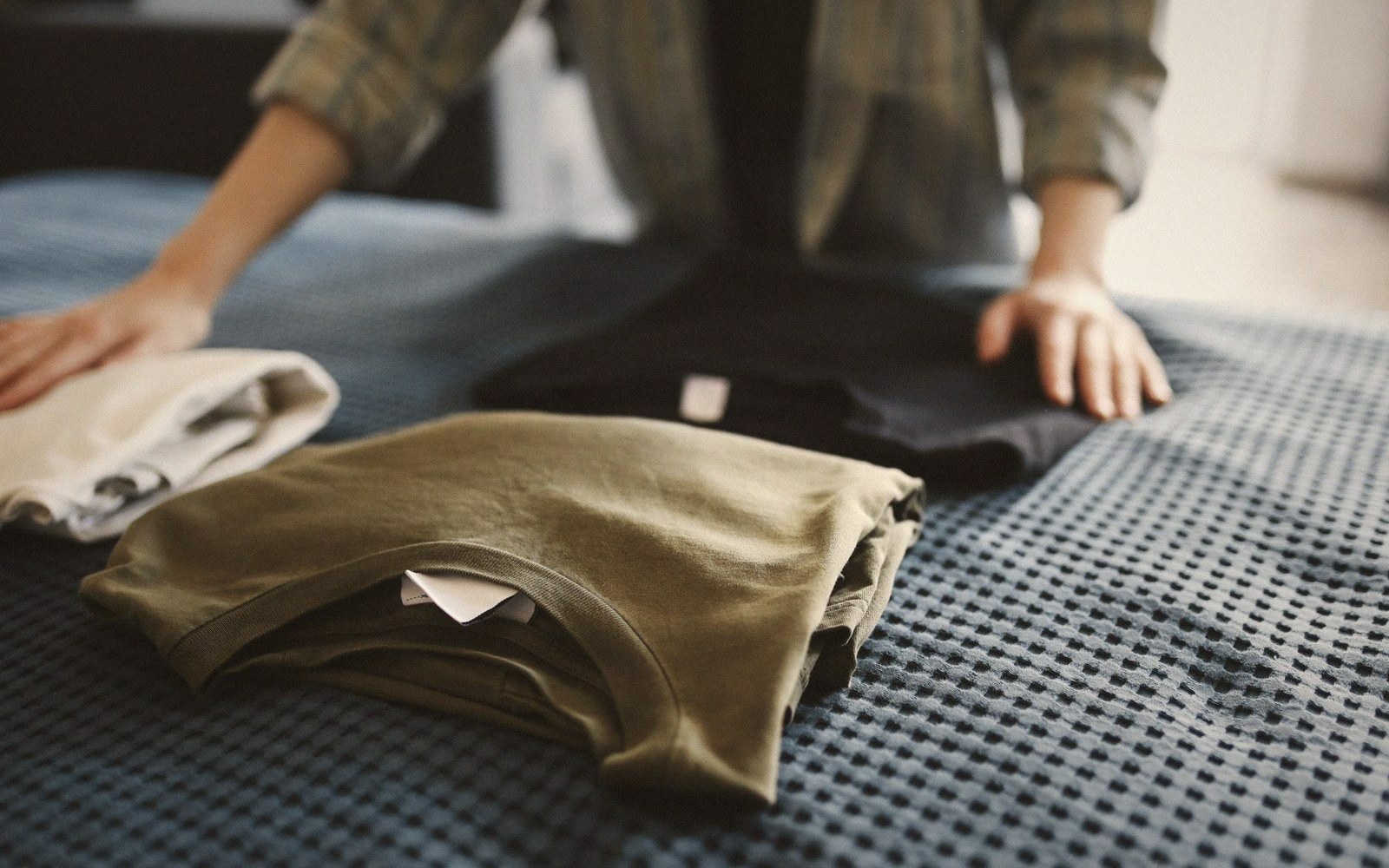
The logic of the linen chest
Before savings accounts and mass manufacture, cloth was among the most durable, most liquid and most legible forms of household wealth. A bolt of linen could be valued at a glance, lasted decades with careful use, and could be sold or pawned in hard times. It was also slow to make: spinning, weaving and bleaching a single sheet might represent months of a woman's labour. This is why, across much of Europe from the medieval period well into the nineteenth century, the linens a bride brought into a marriage were counted, listed and stored — not folded away and forgotten.
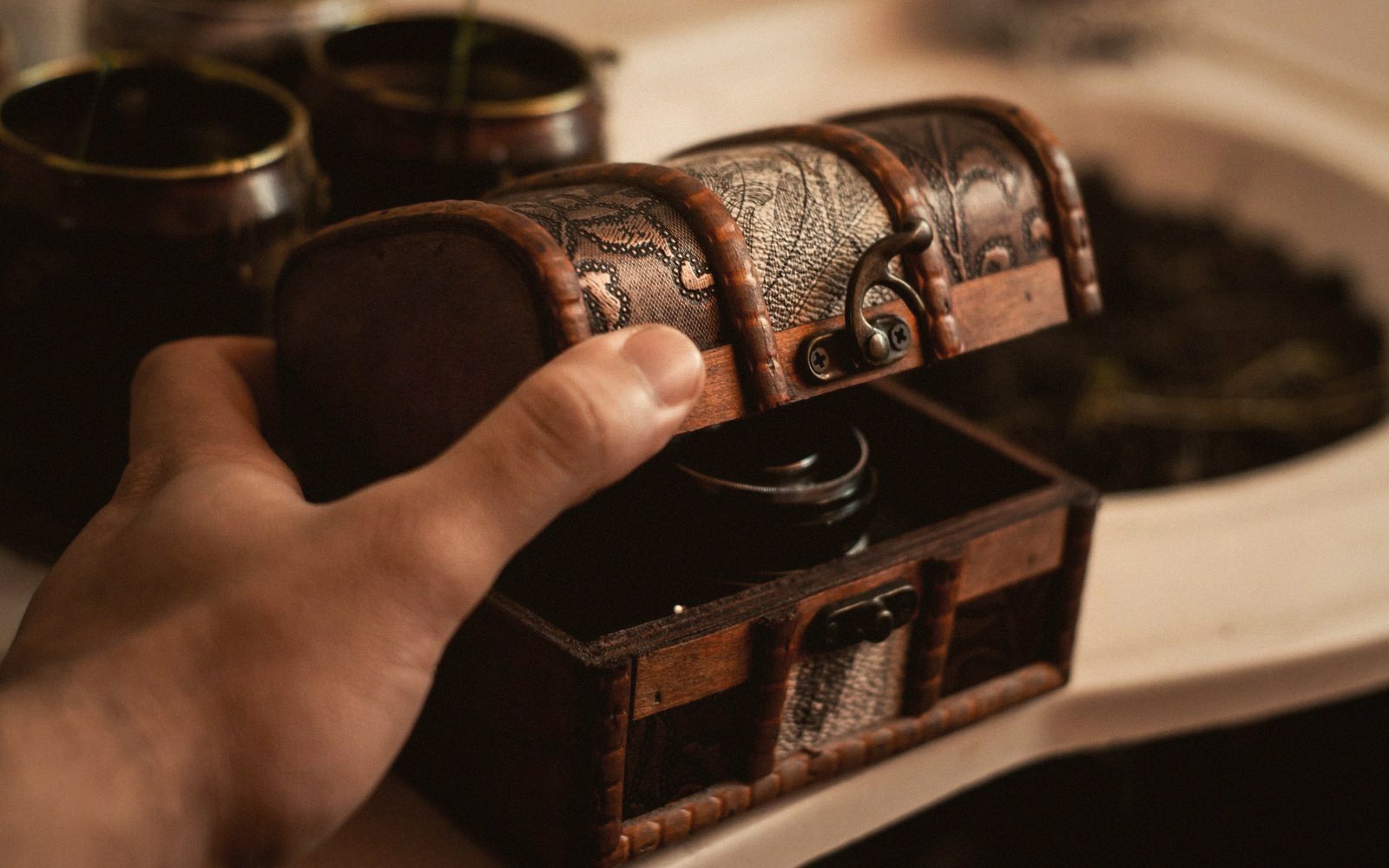
The unit of reckoning was nearly always the dozen. Inventories drawn up across France, Italy and the German-speaking lands record sheets, pillowcases, shirts and tablecloths in multiples of twelve. The number was partly practical — enough to rotate through use and washing — and partly social, since a full dozen of each grade of linen announced the household's standing to anyone who might inspect the dowry chest. In some Italian traditions, a woman's linens were publicly displayed before the wedding precisely so that neighbours could take stock.
Quality mattered as much as quantity. A fine damask tablecloth for feast days was recorded separately from the coarser weave kept for daily use. Monogramming — embroidering the bride's initials, sometimes her future husband's, sometimes a joined cipher — identified each piece and added further hours of work that accumulated from girlhood. The monogram survived the name change that marriage often brought, which means a set of sheets might carry the initials of a woman known in the parish register by a different surname entirely.
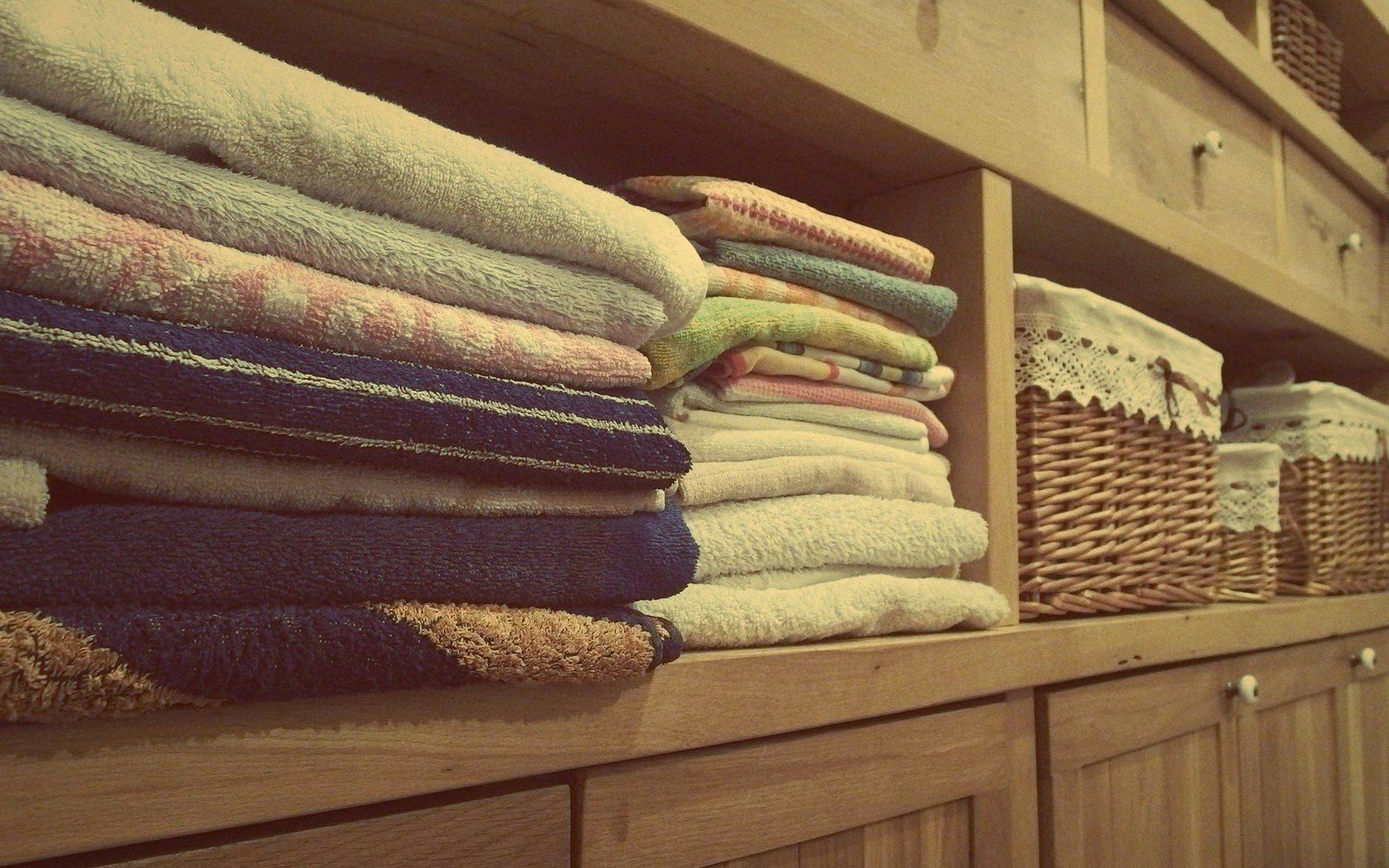
The linen chest passed through generations if the marriage produced children. Daughters might receive pieces from their mother's original stock, worn smooth but still sound. Worn-out sheets became rags, then patches; the textile was not wasted until it had nothing left to give. What looks from a distance like sentiment was also economy: in a household where cloth was made rather than bought, nothing was discarded while it still held together.