What the chest held
A dowry chest was an inventory made solid — linen folded, counted and sometimes valued, because what went in might one day have to come back out.
The Object as Record
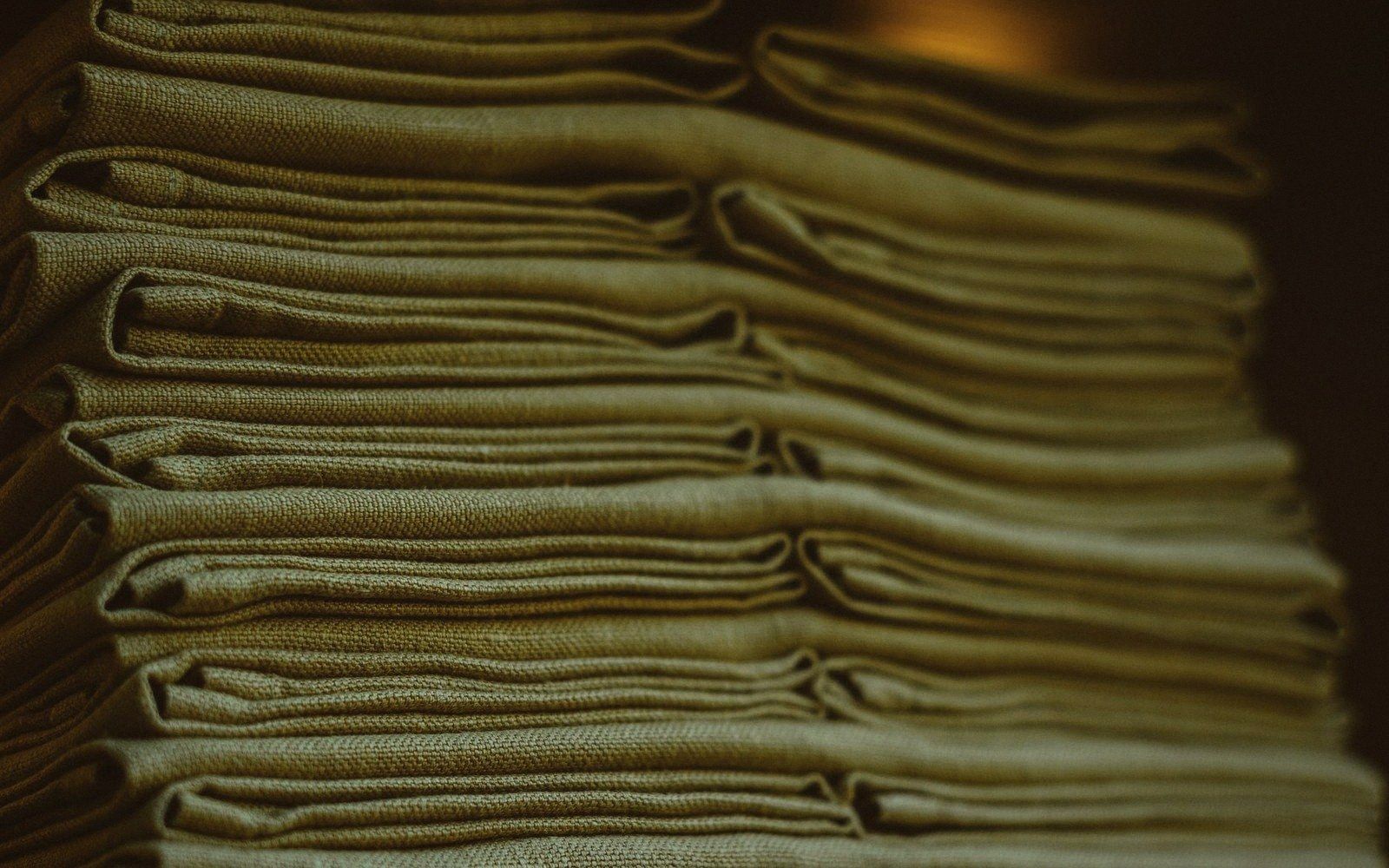
Before banking existed in any form a household recognised, a woman's contribution to a new marriage was stored in fabric. The chest — a cassone in Italian households, a coffer in English ones, an Aussteuertruhe in German-speaking regions — held the portable proof of what she brought in. Sheets, pillowcases, tablecloths, napkins, towels: all of it folded, stacked and counted before the lid closed. In many traditions the number mattered as much as the quality. Linen came in dozens, or in sets of twelve times twelve, not because domestic arithmetic ran to those figures naturally, but because counting in dozens was how a household demonstrated it had enough.
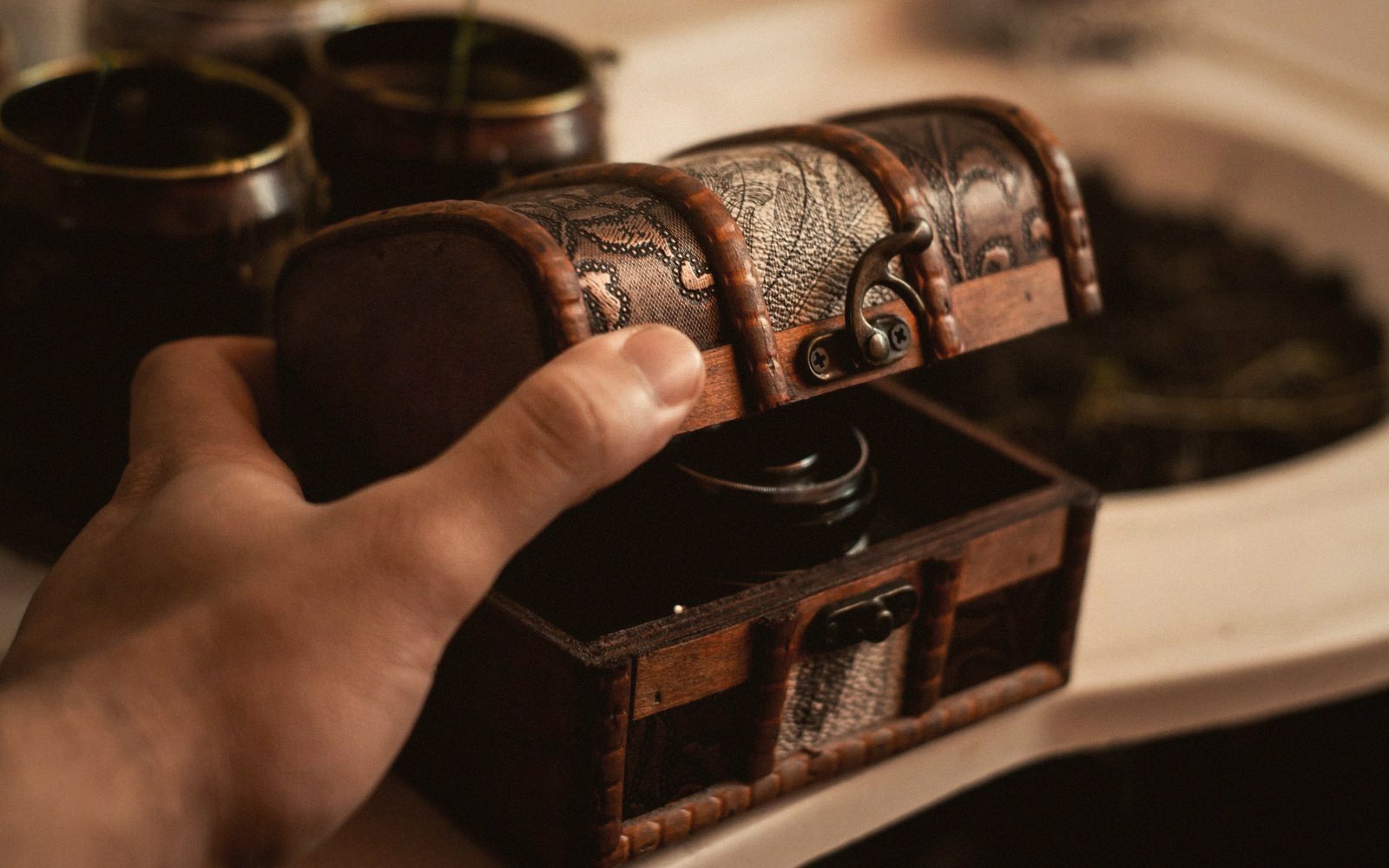
The chest itself was often decorated in proportion to the family's standing. Italian Renaissance cassoni are the most famous surviving examples — painted panels showing mythological scenes on the outside, a trove of plain domestic cloth within. The contrast was deliberate. The outside announced the family; the inside was the actual transfer of wealth. When both surfaces survive together, historians can occasionally read the chest as a double document: social display on the lid, economic reality underneath.
The List Inside the Lid
Many chests carried a written inventory, either loose inside or pinned to the inner lid. This was practical rather than sentimental. Dowry arrangements in many European jurisdictions — Roman law traditions across southern Europe, customary law in parts of France and the German territories — recognised the wife's contribution as a distinct category of property. If the marriage ended through the husband's death or, where law permitted, through separation or annulment, the question of what should be returned depended on what had originally been recorded. A chest with no list was a chest open to dispute.
The inventories that survive in notarial records and household archives show a consistent grammar. Each item was named, the quantity noted, and in wealthier households a monetary value assigned. "Six pairs of fine linen sheets" might be followed by "twelve napkins of mixed quality" and then a valuation in local currency. The woman who brought the chest — or more accurately, whose family assembled it — was not simply making a gift. She was making a documented transfer, and the document was what mattered in any subsequent reckoning.
Before banking existed in any form a household recognised, a woman's contribution to a new marriage was stored in fabric.
In England the legal framework worked differently. Under common law coverture, a wife's personal property passed to her husband on marriage, which made detailed listing less legally significant than it was elsewhere, though inventories were still made for other reasons: pride, family custom, and the practical need to know what was in the house. The Married Women's Property Acts of 1870 and 1882 shifted this substantially, giving wives separate legal ownership — at which point the question of what had come from whom became legally interesting again.
What Else Went In
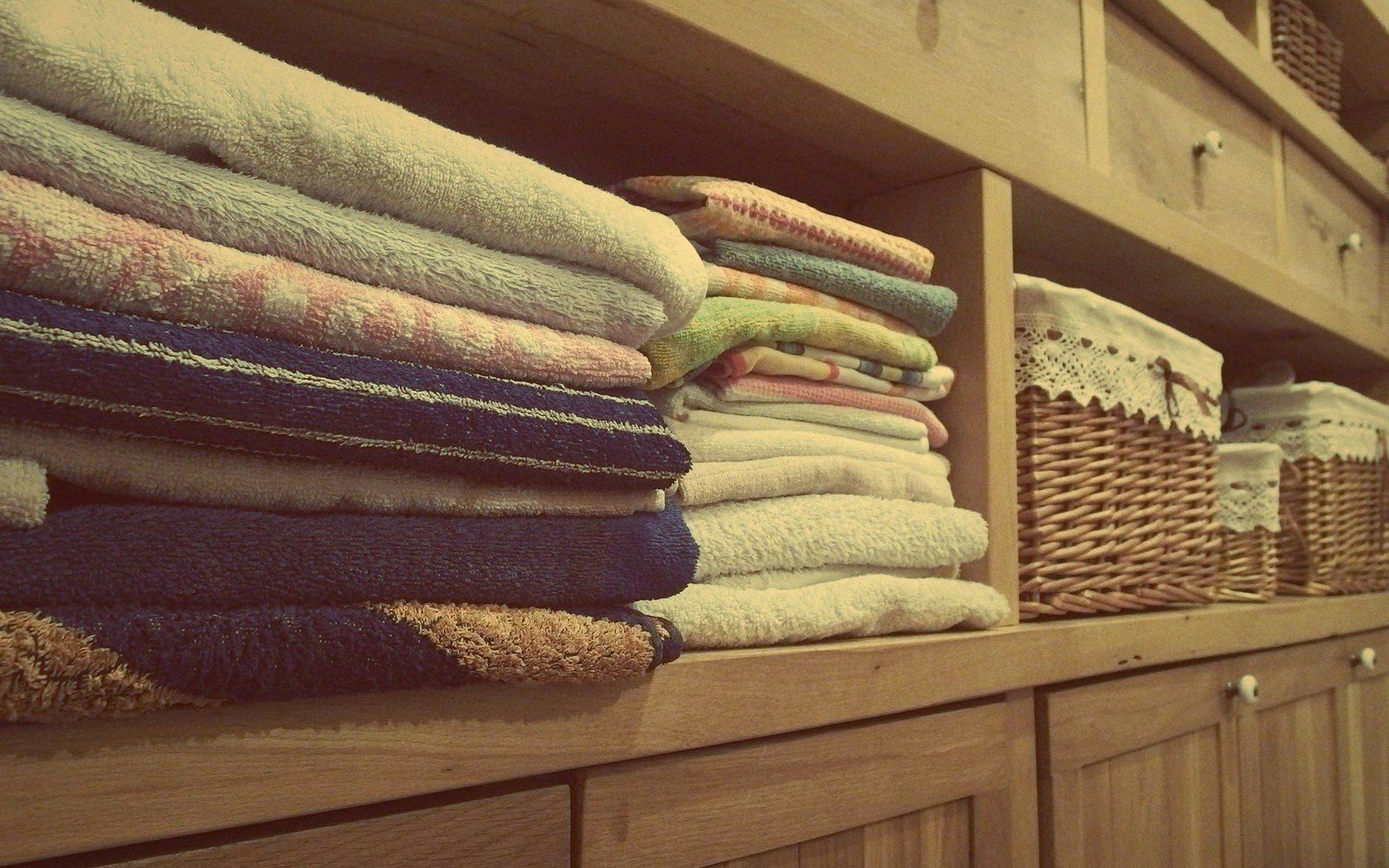
Linen was the core but not the whole. A chest might also hold clothing, small items of jewellery, embroidered pieces the woman had made herself, and occasionally money or documents. In some traditions, the trousseau — French, meaning literally "little bundle" — extended beyond the chest to furniture, kitchen equipment and bedding brought on carts, with the chest serving as the portable, lockable, catalogued portion of a larger transaction.
The embroidery question deserves a note. A woman's needlework — initialled, dated, sometimes years in the making — was often the most personally inflected item in the chest. It had no great monetary value but marked the linen as hers in a way that plain fabric could not. Initials stitched into a corner of a sheet were a signature in thread, and they outlasted the chest, the marriage and frequently the marriage record itself. Textile historians tracing household goods across generations find these worked marks more durable identifiers than the names in registers.
The chest closed. The inventory was witnessed. The household began. That a container of domestic cloth required the same apparatus of listing, valuing and witnessing as a land transaction says something plain about what fabric actually represented: not comfort, but capital.