Crosses instead of names
A mark rather than a signature, witnessed by somebody who could write. What a parish register full of crosses actually measures — and what it quietly does not.

The mark and what it stood for
When a bride or groom could not write their name, they set a mark instead — most often a cross, though an X, a circle, a rough initial, or a personal symbol served the same purpose. The mark was not a lesser thing in law; it was their signature, carrying the same binding weight as a written name. What distinguished it was simply the need for a witness to write beside it, in plain letters, whose mark it was. Without that annotation, the mark is mute.
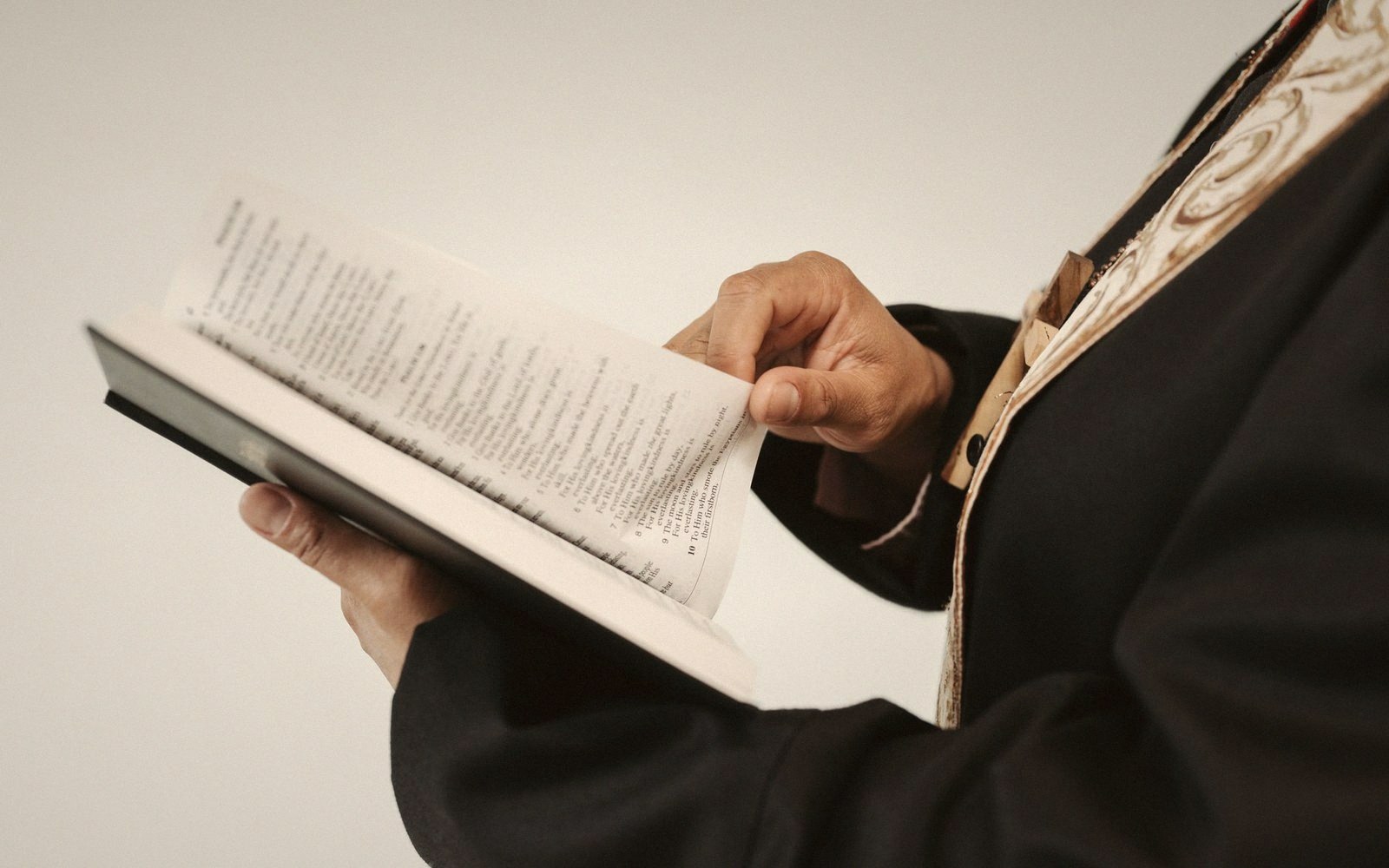
The cross became conventional partly because it was already legible as a gesture of faith — touching the sign of the cross carried its own solemnity — and partly because it required no instruction to make. Almost any hand can produce one. Over time it became so standard that clerks often pre-printed or pre-drew a cross on the page for the signatory to touch with the pen, a ritual confirmation rather than an act of creation. The ink line was theirs; the shape was already there.
What the pattern across a register shows
Where registers survive in good runs — England from 1754, Scotland from 1855 in civil form, much of Catholic Europe from the Council of Trent onward — marks cluster in patterns that demographic historians have spent decades mapping. The broad finding is consistent: marks were more common among women than men in the same parish and period, more common in rural parishes than urban ones, more common among labourers and domestic servants than among tradespeople or the propertied, and more common before the mid-nineteenth century than after compulsory schooling began to take hold. None of this is surprising. What the distributions do is put rough numbers on gradients that otherwise remain impressionistic.
The gender gap is the most discussed. In England, studies of marriage registers from roughly 1750 to 1840 found that roughly half of grooms signed with a mark against rather more than half of brides — though the exact figures varied sharply by region and decade. The gap has sometimes been read as evidence that girls received less schooling than boys, and that reading was taught more widely than writing. Both were true. Elementary instruction often stopped at reading scripture aloud; writing was a separate skill, taught separately and more briefly, and girls in many communities received less of it. The register absorbs all of that without explaining any of it.
The mark was not a lesser thing in law; it was their signature, carrying the same binding weight as a written name.
What the register does not show is the ability to read. Literacy historians have long had to disentangle signature literacy from reading literacy, because the two do not march in step. A person who could read a psalm but had never been taught to form letters would leave a mark; so would a person who was wholly illiterate. The cross is evidence of one specific incapacity — forming a legible name in cursive — and nothing more precise than that. Treating mark-rates as illiteracy-rates conflates what was measured with what we wish had been measured.
The clerk's handwriting and the registrar's column
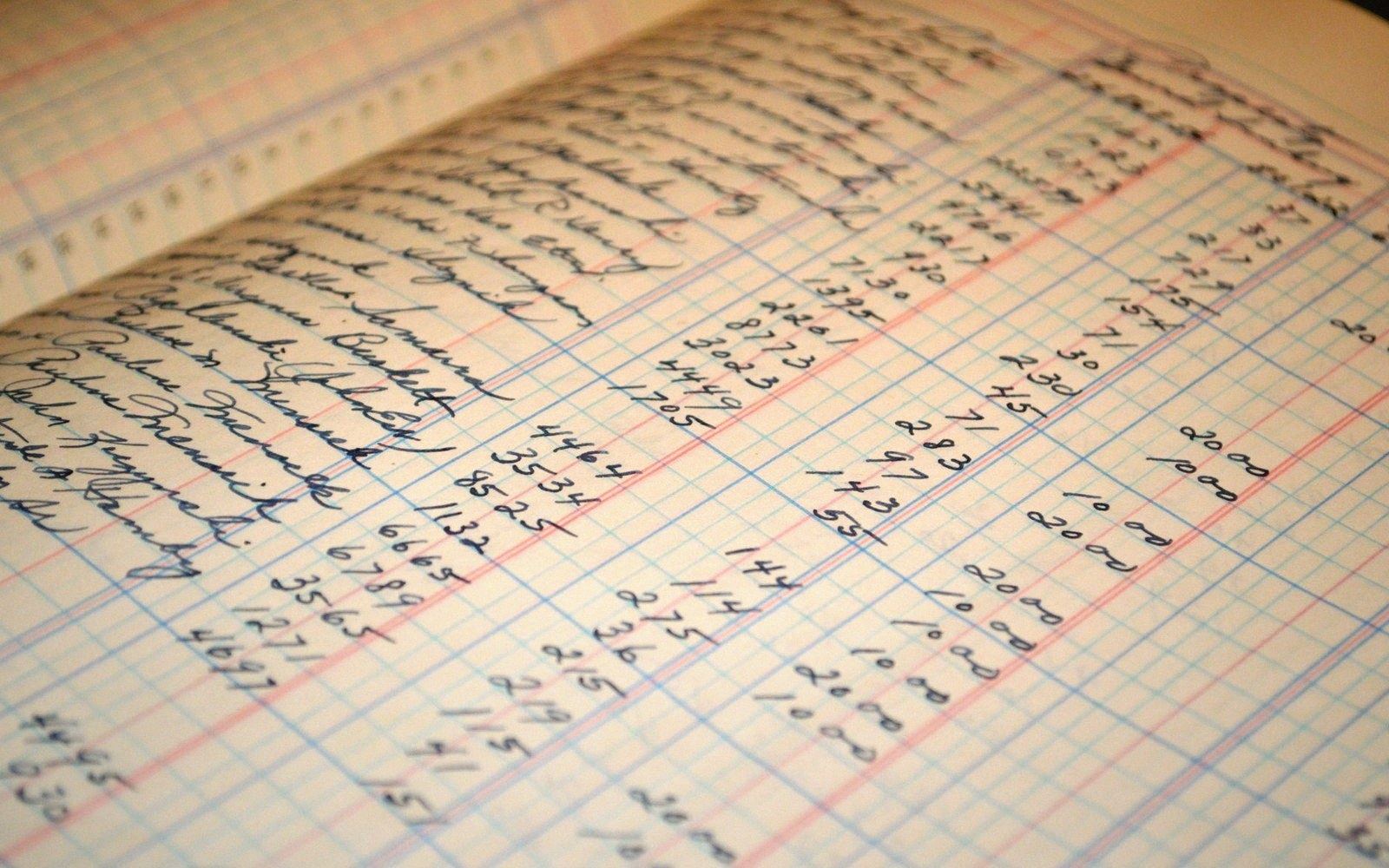
The annotation beside the mark depended entirely on the officiating clerk or minister, and the quality varies. In a well-kept register the note runs "the mark of Mary Holgate," in the hand of the curate, directly beside the cross. In a careless one there is only a cross and a gap where a name should have been entered elsewhere. Some clerks recorded the mark with apparent indifference, others with a phrase that underlines the disability — "her mark, she being unable to write" — a formulation that added nothing legally but reveals something about how the act was perceived in that room, on that day.

After civil registration introduced printed forms with named columns, the mark moved into a fixed space on the form and the clerk's annotation became more standardised. This made the registers cleaner and the pattern easier to count, but it also flattened the texture. What had occasionally been a small drama — a nervous hand touching a pre-drawn cross, a minister dipping the pen and guiding the wrist — became a box ticked. The cross remained, but the record of the moment around it grew thinner.