
A built-in redundancy
Fire destroys one building. Flood damages another. A clerk walks off with the book, or simply lets it rot. The solution to all of these possibilities is the same: write everything down twice and keep the copies apart.
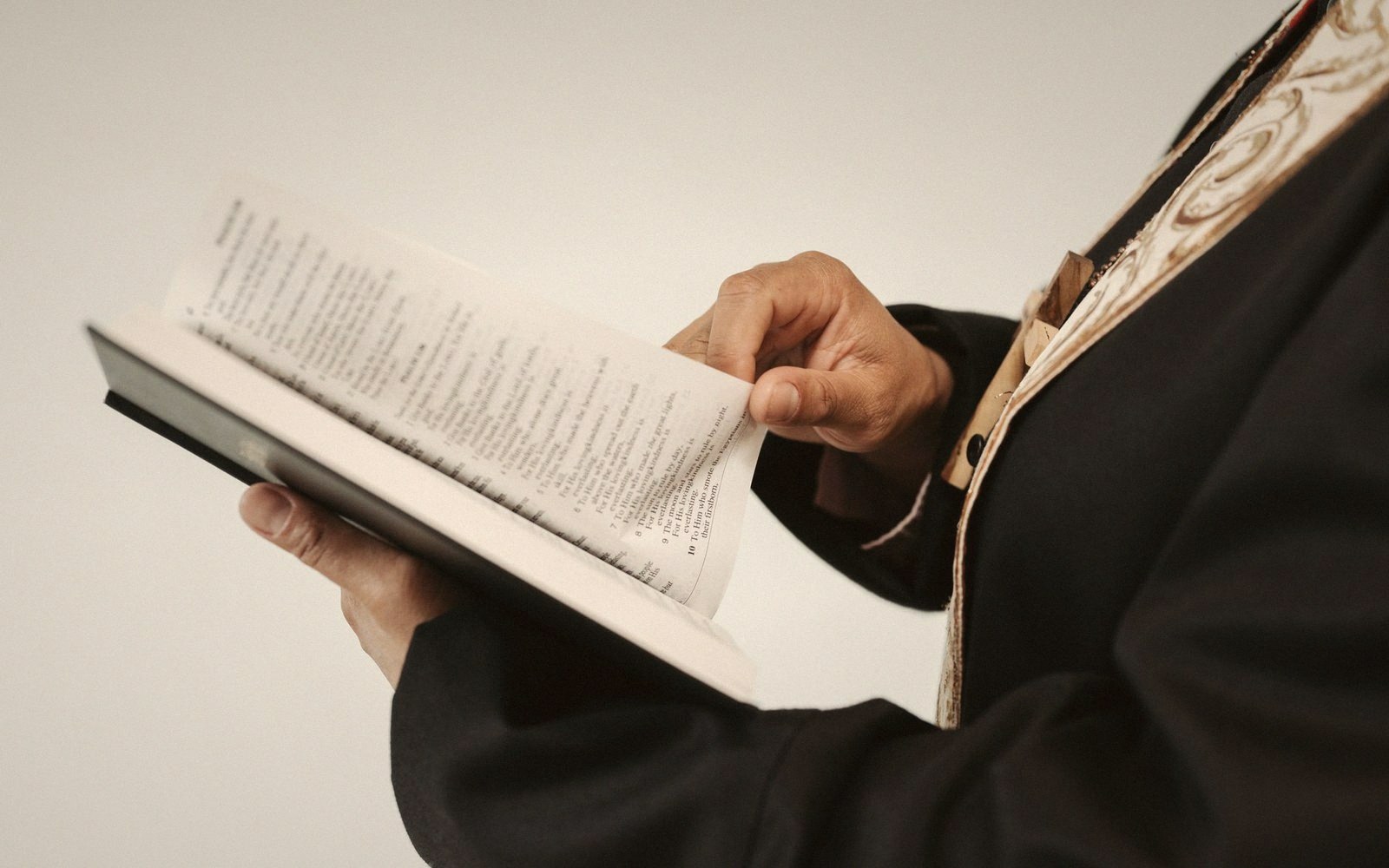
The logic is so obvious that it arrived independently across many jurisdictions and centuries. In England and Wales, the Parochial Registers and Records Measure of 1978 formalised what had already become common practice — bishops' transcripts, annual copies of parish entries sent to the diocesan registry, had existed since a 1597 order of the Church of England. The parish kept its register; the diocese kept its transcript. When one burned, the other survived.
The principle sharpened after civil registration began in 1837. Superintendent registrars held district copies while the General Register Office in London received quarterly certified copies of every entry. Neither building needed to trust the other, and neither was redundant: both copies carried legal weight.
Scotland ran a parallel logic. After the Registration of Births, Deaths and Marriages (Scotland) Act 1854, local registrars compiled entries and the Registrar General in Edinburgh held the central record. France had required a double register since the ordonnance of 1667 (the Code Louis), one copy for the parish and one for the local secular authority. By the time Napoleon reorganised civil registration in 1804, the practice was already embedded: one copy to the local mairie, one to the tribunal.
What the duplicate copy actually protects is not the marriage itself — that event has already happened — but the evidence of it. A couple whose register entry survived in only one copy and that copy perished could find themselves, or more often their descendants, unable to prove a union that everyone living had witnessed. The copy in another building is insurance not against the ceremony failing but against the record of it disappearing.
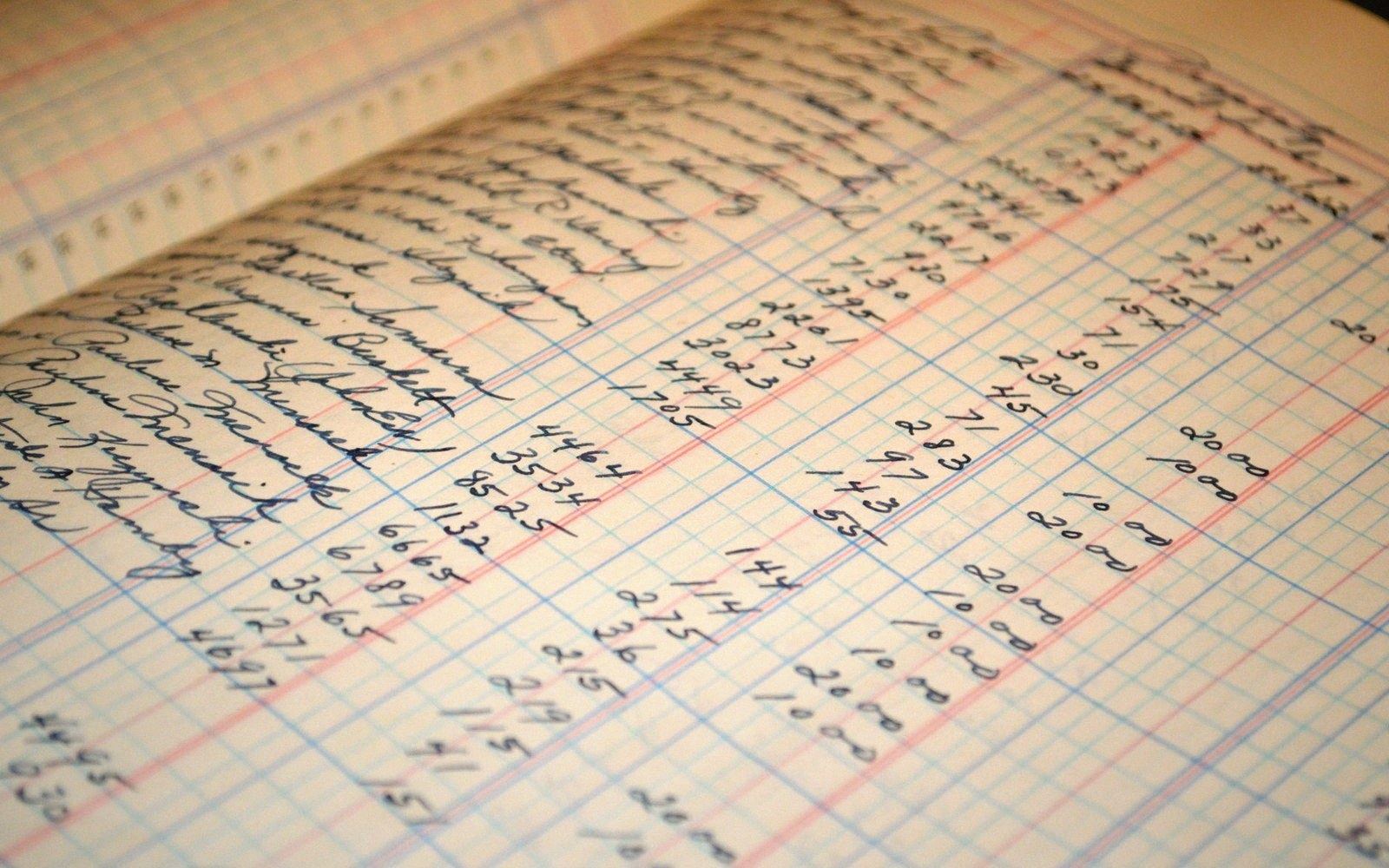
Two books, two roofs. It is the simplest form of archival thinking there is.