In the same column
Printed forms decide what history keeps. The moment a register gains a column, a fact enters the record for everyone; the moment it lacks one, that fact disappears entirely.
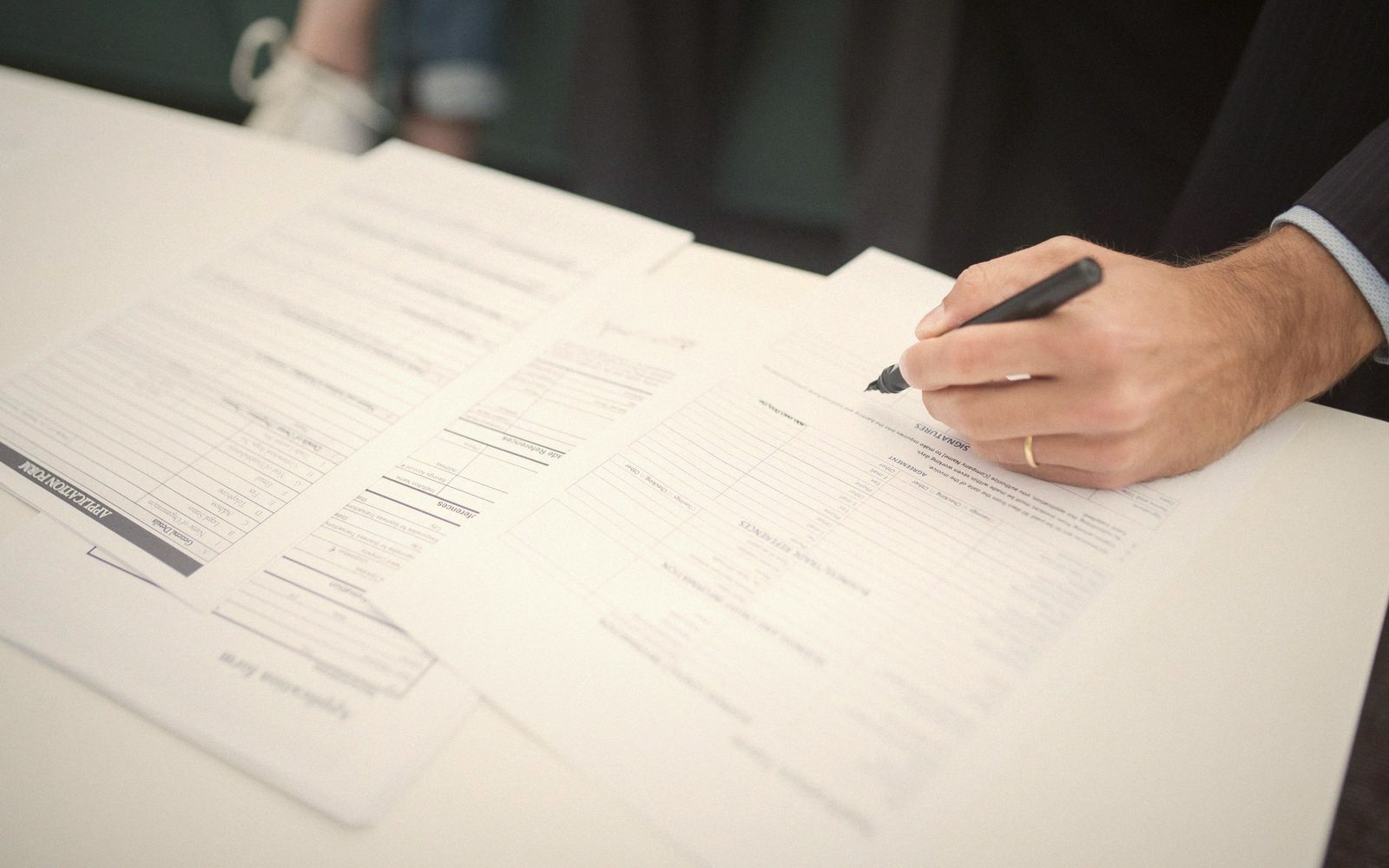
The Column as Policy
Before printed registers, a parish clerk wrote what he thought relevant in whatever space the page allowed. Some recorded occupations and addresses; others wrote only names and the date. The result across centuries is a record that is personal, idiosyncratic, and maddeningly inconsistent — rich in one parish, thin two miles away, and almost useless for comparison across a county. The printed form changed all of that at a stroke.

When a government or church authority issued a standard register with pre-set columns, those columns became, in effect, a policy decision about what marriage meant as a civic event. England's civil registration, introduced in 1837, brought a printed form with defined fields: names of both parties, ages, condition (bachelor, spinster, widower, widow), rank or profession, father's name, and father's rank or profession. Every marriage from that point forward generated exactly the same shape of information — regardless of what the clerk might personally have thought worth noting. What the columns asked for, the record preserved. What they did not ask for, it lost.
The effect on occupational history alone is considerable. With a dedicated column, a weaver is a weaver, a collier is a collier, every time. Without one, that information appears only if the clerk felt like recording it, which means it appears unevenly and cannot be counted or compared. Column design is, in this sense, statistical infrastructure.
What the Form Could Not Capture
Standardisation solved one problem and created several others. A column headed rank or profession assumed that everyone had one worth stating, and that it would fit in a short space. It did not handle women's work well. A woman described as a spinner in 1750 — meaning someone who actually spun thread for income — might appear in 1840 simply as spinster, a word that had drifted entirely into meaning an unmarried woman and shed its occupational content. The column was there; the vocabulary had moved.
The printed register, then, is not a neutral container for facts that would otherwise exist in some other form.
Mothers presented a more structural problem. English registers from 1837 asked for the father's name and occupation but had no column for the mother at all. She was not recorded. It was not that the form overlooked the question — it was that the question was not considered a question. The mother's absence from the column is itself a historical fact, and a pointed one. Scottish registers took a different approach: from civil registration's introduction there in 1855, they recorded the mother's name and maiden name alongside the father's, making the Scottish record considerably more useful to anyone tracing a woman's line.
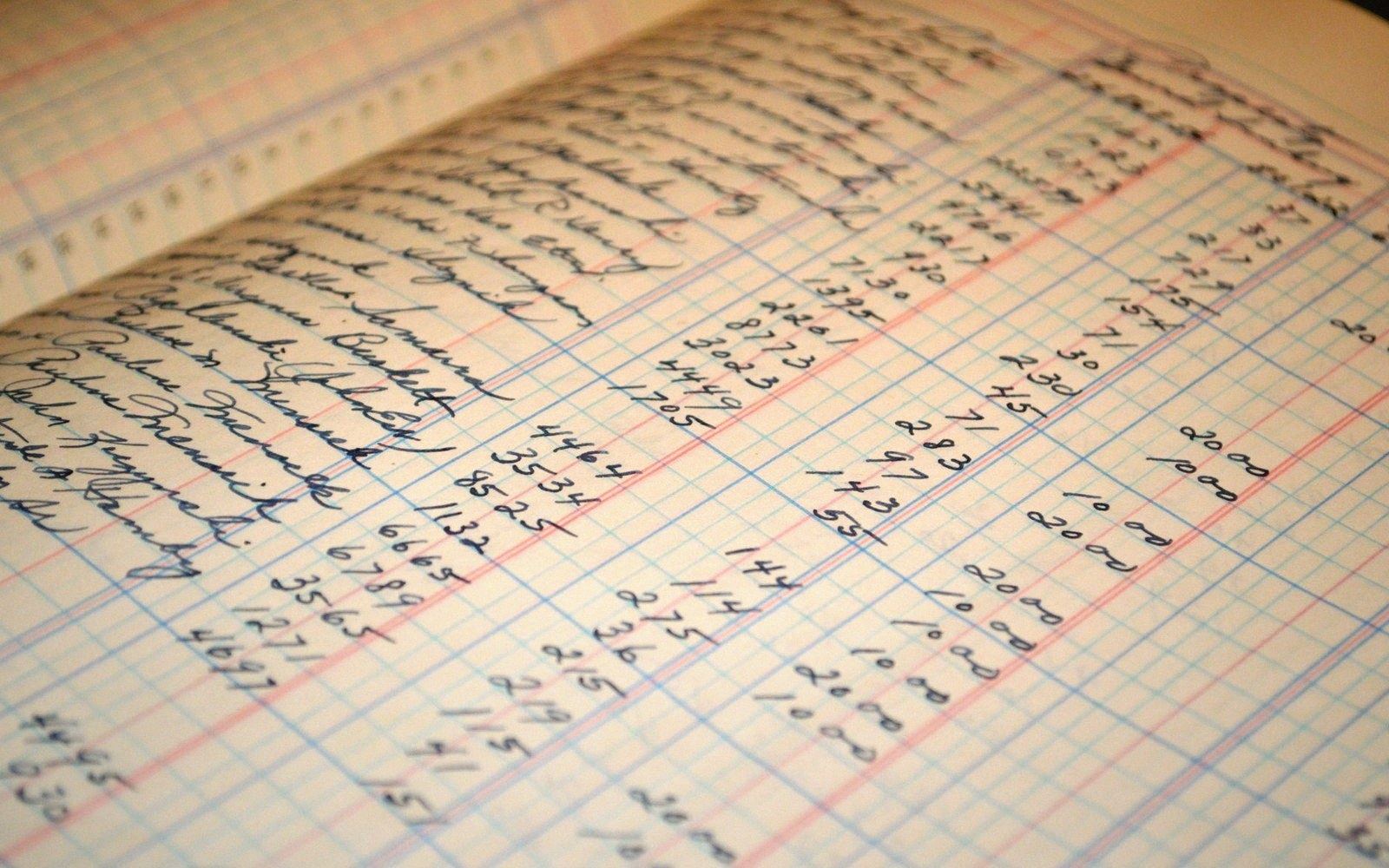
The column headings also fixed the vocabulary used inside them. When condition was the heading, a widow answering that column was recorded as widow; when the form later preferred marital status, the same information sat under different language, and a long run of records shifts register mid-sequence. Anyone working across the boundary has to know which word the form of that decade expected — not because the fact changed, but because the column name did.
What Survives the Reprint
When authorities redesigned their forms, the old columns did not automatically disappear from history — they disappeared from future records while remaining in past ones. A researcher moving from registers of one period to another is effectively moving between different questionnaires, each of which was complete in its own time and partial by the standards of another. An age column introduced mid-century means that no one recorded before that date has an age. A witness column always present means that the witnesses named in every entry are identifiable across the whole series — two people whose only job was to have been there, preserved because the form had a line for them.

The printed register, then, is not a neutral container for facts that would otherwise exist in some other form. It is the mechanism by which certain facts become official, repeatable, and countable — and by which others are simply never asked for and therefore never known. The columns are not a window onto marriage; they are a frame that was chosen, revised, and chosen again, and the shape of that frame is itself part of what the record tells us.