The witnesses
Two people whose only job was to have been present, and whose names outlast them.
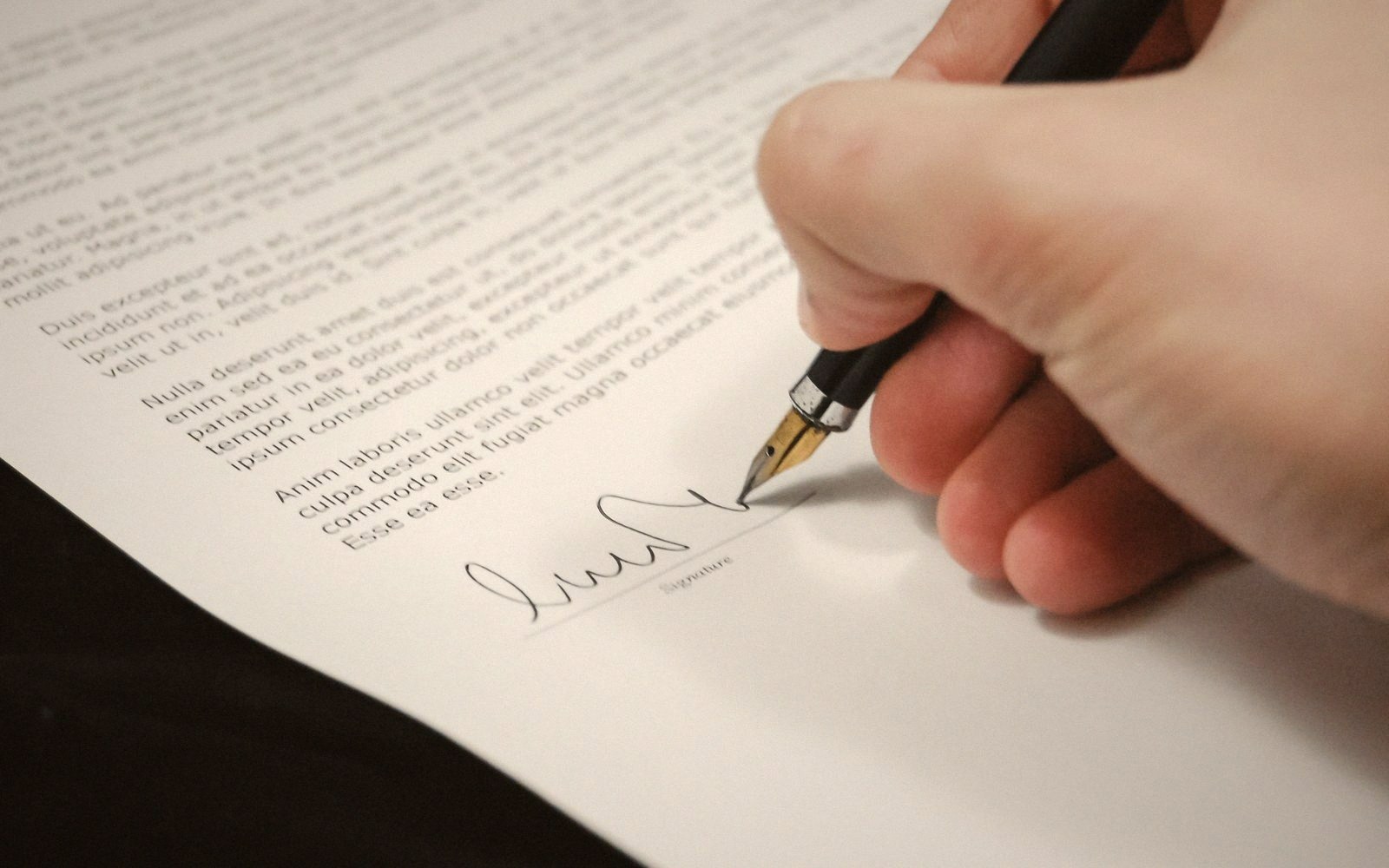
Two people whose only job was to have been present
A marriage ceremony has always needed an audience of at least two — not to approve, not to consent, but simply to be there and, later, to say they were. The witness signs nothing to endorse the match; the signature confirms only presence. That distinction is older than the paper it was written on.
In ecclesiastical practice across medieval Europe, a marriage was in principle valid without any official at all, provided it was spoken aloud and could be proved. The witness existed precisely to supply that proof. Two was the minimum because no single person's testimony stood unchallenged in canon law — the old rule testis unus, testis nullus (one witness, no witness) ran through church courts as an axiom. Two witnesses meant the evidence could hold.
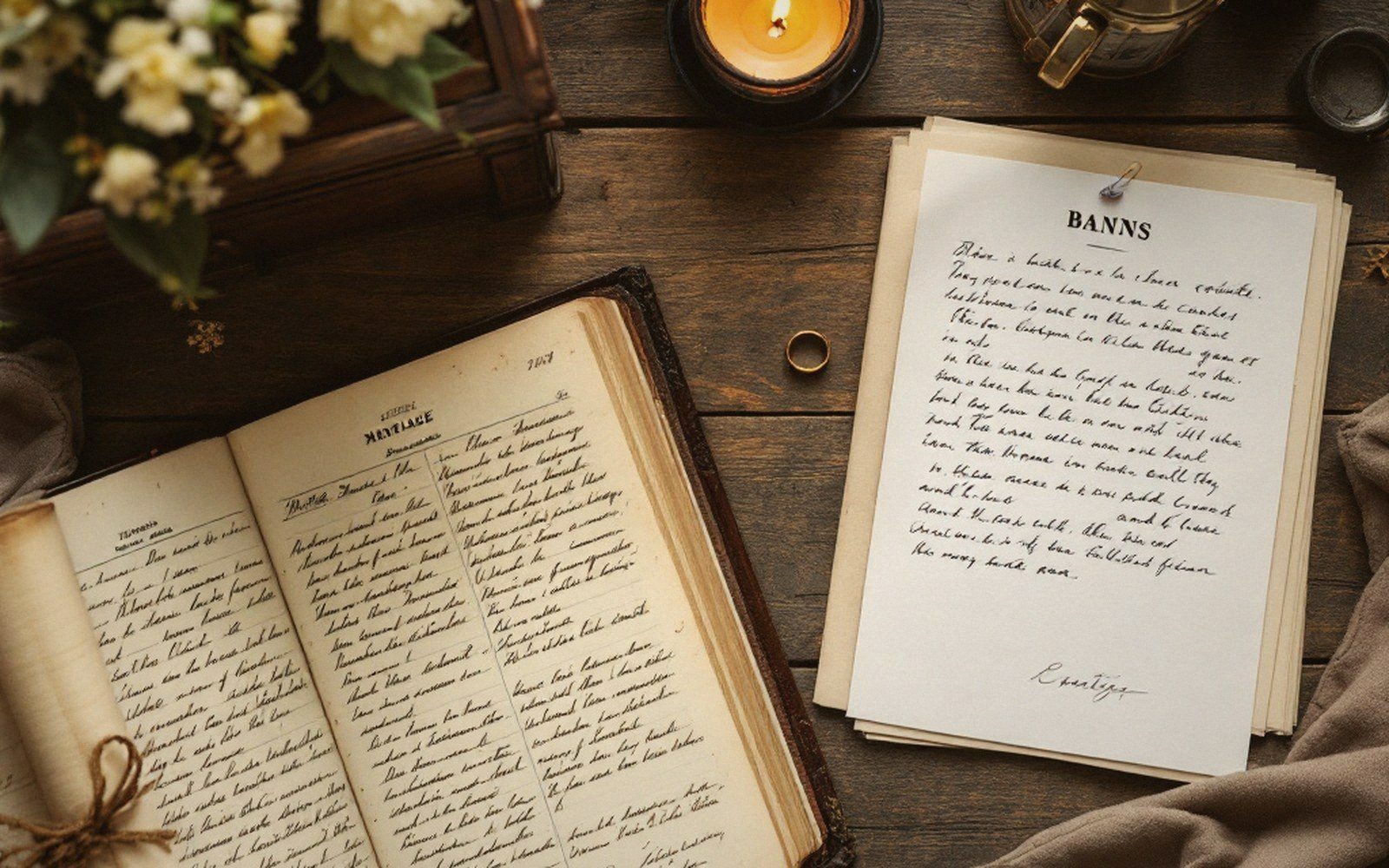
When civil registration replaced church recording in country after country through the nineteenth century, the requirement was carried forward almost unchanged. England and Wales codified two witnesses in the Marriage Act 1836; France had required them in the civil code since 1804; most German states brought similar rules into statute before unification. The number was already traditional; the legislation simply froze it.
Who the witnesses were varied considerably by place and era. Formal requirements rarely specified age beyond legal majority, relationship beyond being neither party to the marriage, or literacy — which is why registers so often carry a cross, in the same column as the couple's signatures, where a name should appear. The witness who could not write nonetheless counted. Presence was the qualification.
What the witness left behind is a name, an occupation if the registrar asked for one, and a date. In practice, the commonest witnesses were a sibling or parent of one party and a friend of the other — the household's nearest circle, pressed into service for ten minutes and then released. Occasionally the same two names appear across several entries in a register, witnesses-for-hire or simply the verger and a clerk who found themselves available every Saturday morning.
Their signatures outlast almost everything else about them.