
The mantelpiece was not designed as a display surface. It is simply the structural ledge above a fireplace, a consequence of the chimney breast pushing into the room and offering a horizontal plane at roughly eye level. That accident of architecture made it the most-watched spot in the principal room of a house — and so, inevitably, the place where a household chose to represent itself.
In houses where the hearth was the only reliable source of warmth and light, people gathered near it. Whatever mattered — the clock, the candlestick, the letter not yet answered — drifted to the shelf above it. By the eighteenth century, fashionable interiors were designing the chimneypiece as a deliberate feature, with paired brackets, mirrored overmantels, and a formal symmetry that implied the objects placed there had also been chosen with care. Most of the time they had not.
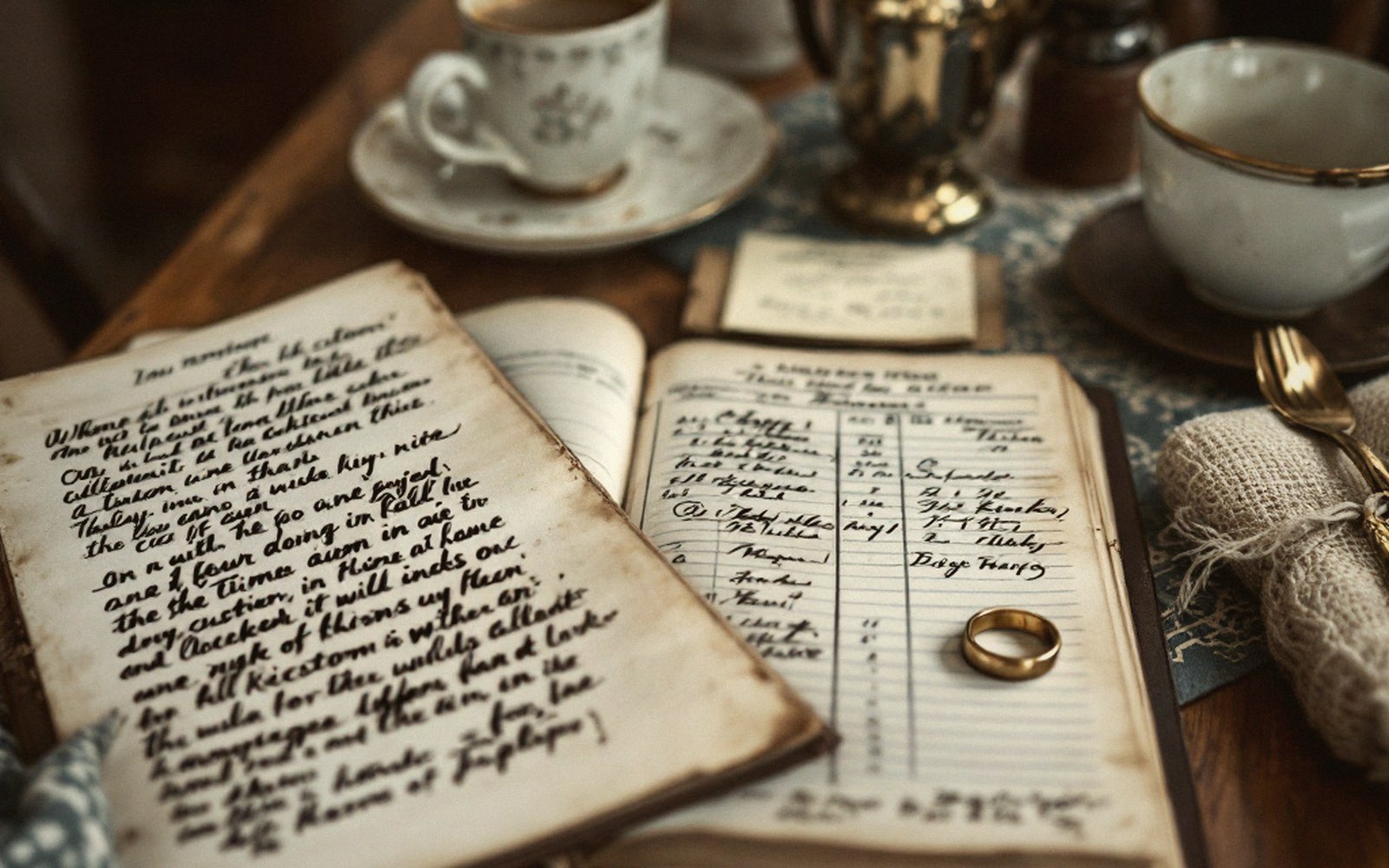
What the mantelpiece actually holds is the residue of two lives merging imperfectly. A carriage clock from one side of the family, a pottery figure from the other. A photograph that one person values more than the other. An invitation that has not been thrown away. A small souvenir from somewhere — from before, or from together — that has come to stand in for the trip itself. The shelf becomes a stratigraphy: move the objects and you move through time.

No household negotiates the mantelpiece directly. The arrangement that results is partly habit, partly the gravitational pull of the fireplace, and partly a silent running argument about what a shared home should look like. In households where tastes differed sharply, the mantelpiece could become the most contested surface in the house — not because either person cared about the shelf itself, but because it was always visible, always there when you walked into the room.
The objects change as the household changes: children's drawings replace the small vase; the wedding photograph moves, or doesn't. What persists is the logic of the shelf — that a home generates its own archive, unplanned, and stores it at eye level for anyone who lives there to read.