Two of everything
When two households become one, the first act of shared life is usually an argument about colanders.
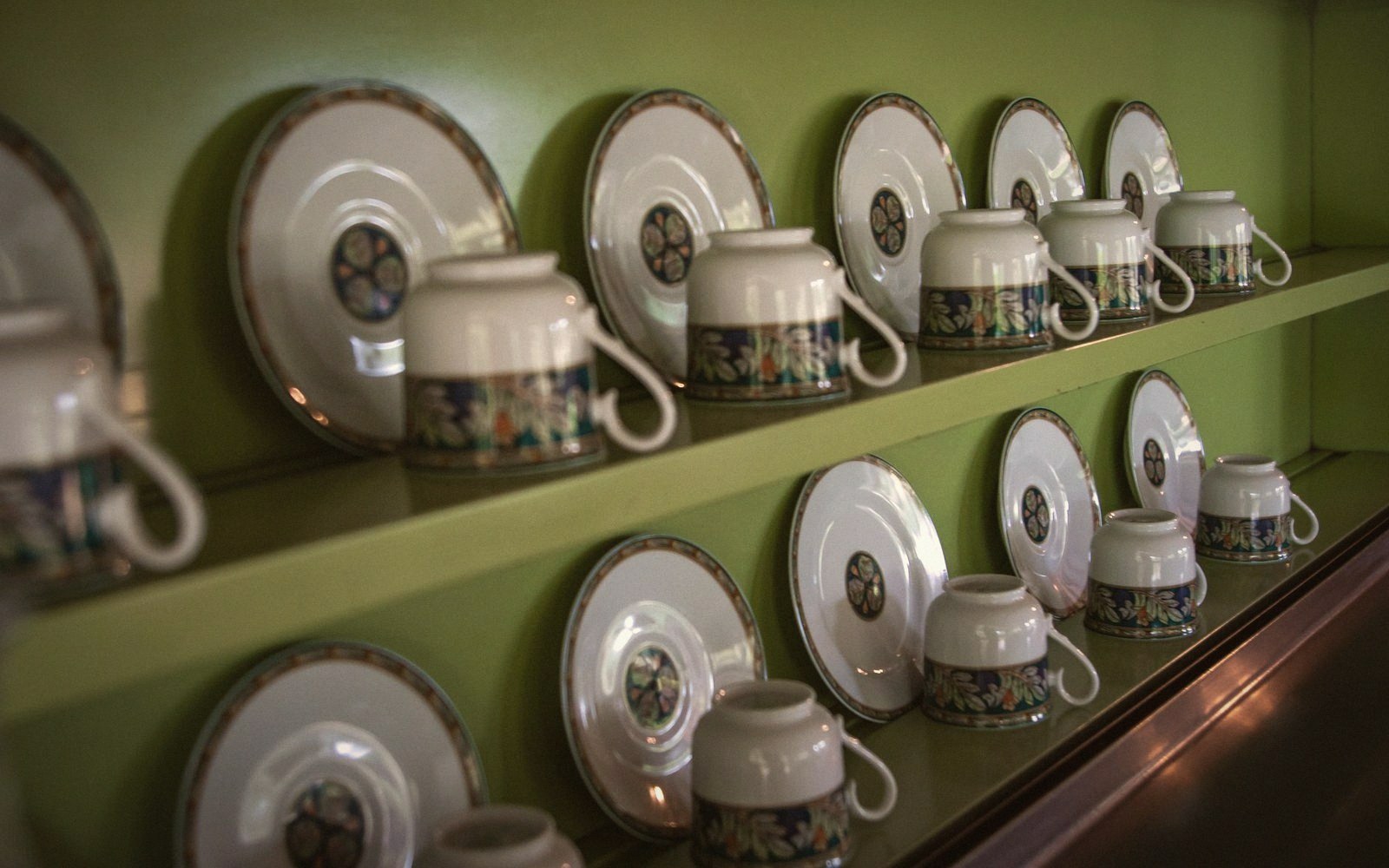
The merger problem
Every household, however modest, accumulates its own complete set of things: one kettle, one cheese grater, one set of opinions about the correct way to store knives. When two people move in together, they do not create a gap to be filled — they create a surplus to be resolved. The question of whose colander stays and whose goes has settled more than one person's understanding of what "our home" actually means.
This was not always a problem of objects alone. In the early modern period, when a bride commonly brought a dowry chest into the marriage — its contents inventoried and sometimes witnessed — what she carried in was specifically defined as her contribution. The groom's household goods were already in place; the merger was structured rather than negotiated. His table, her linen. The categories did not much overlap.
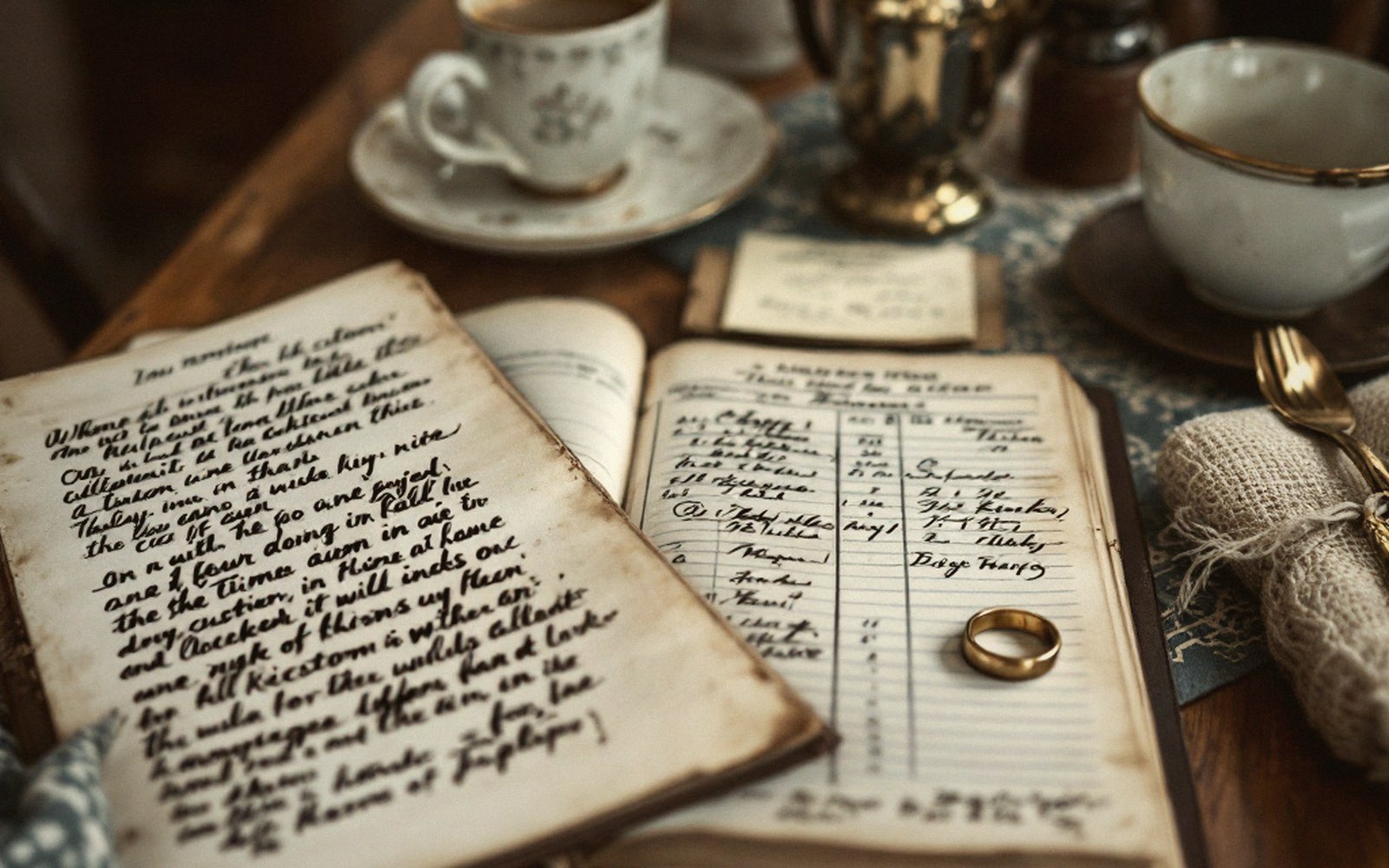
Where they did overlap, custom generally favoured the husband's existing possessions, since under coverture doctrines across most of Northern Europe the wife's moveable property passed to him on marriage anyway. The practical result was that her duplicates disappeared, legally and physically, into the household he already ran.

What gets kept, what gets discarded
The twentieth century changed both the law and the logistics. As more couples spent years living independently before combining, both arrived with fully equipped kitchens, bedrooms and bookshelves. The decision about whose things to keep was no longer shaped by property law but by sentiment, quality and, often, stubborn attachment. The second colander — the worse one — went to a charity shop or was quietly broken.
What households rarely did was buy new things simply because the old ones had come from separate lives. The merged household was typically assembled from what already existed, edited down by agreement or attrition. Something about the editing was consequential: every object that stayed had survived a small negotiation about whose past the shared future would carry forward. The ones that went, went without ceremony — which is perhaps why the colander argument is remembered long after the colander itself is gone.