The separate bedroom
Separate rooms were not a sign of a failing marriage — for much of history they were a sign of a successful one.

Practicality, not distance
For most of recorded domestic history, the shared marital bed was not an ideal but a necessity. In a one-room cottage or a modest town house with two chambers, there was nowhere else to go. The wealthy had always done things differently: aristocratic households in medieval and early modern Europe routinely allocated separate bedchambers to husband and wife, connected by a dressing room or a private corridor. This was an architectural statement about status, not estrangement. A great house had the space; the arrangement was used.
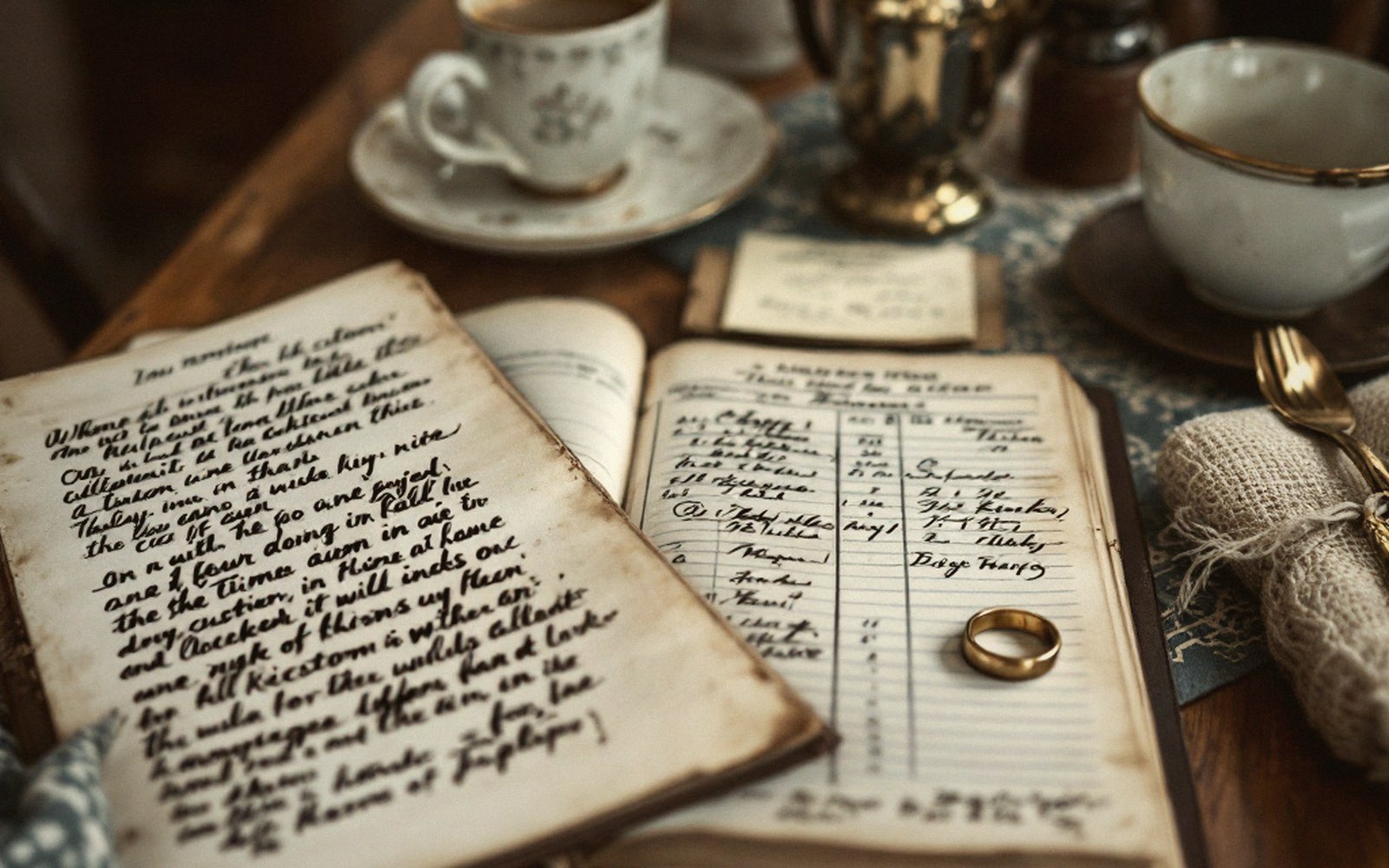
The Victorians complicated the picture. Sentimental culture attached enormous weight to the shared bed as a symbol of union, yet Victorian medical opinion — suspicious of shared breath, shared warmth, and the imagined drain of constant proximity — often recommended separate rooms for the health of both parties. Advice ran in both directions simultaneously, and what a household actually did depended on the size of the house and the preference of its occupants rather than on any settled rule.
Through the early twentieth century, the twin-bed arrangement became a middle-class compromise: same room, separate beds, an aesthetic that design catalogues of the 1920s and 1930s actively promoted. It vanished from fashionable interiors by mid-century without ever being formally abandoned.
What the long record actually shows is that sleeping arrangements tracked two things above all: money and health. Illness — a snoring spouse, a difficult pregnancy, chronic pain, night work — drove couples to separate rooms long before any emotional meaning was attached to the decision. Servants in large households slept where they were put; their employers slept where they chose. The romantic idea that a shared bed is the natural default, and a separate one a symptom, belongs to a particular sentimental tradition rather than to the whole of domestic history.