Who kept the accounts
The household book, not the bank, was where domestic life was actually recorded — and the hand that wrote it was usually a woman's.
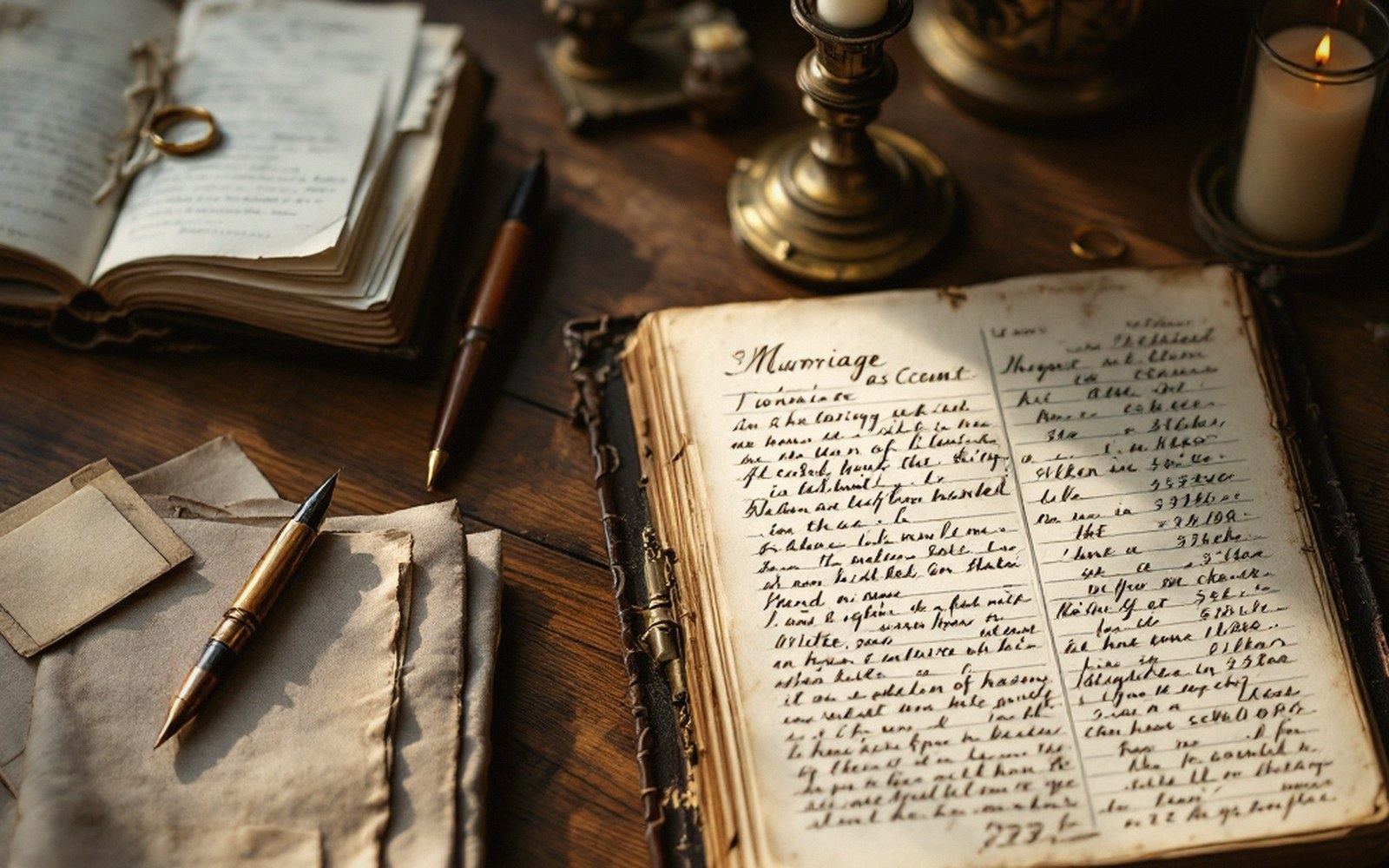
Ledger in the kitchen, deed in the study
The distinction between owning property and managing it was sharply drawn in most European households before the twentieth century, and the two tasks rarely fell to the same person. A husband might hold the title to land, control the rents coming in, and sign any document that had legal standing outside the house. The wife ran the house: she bought the provisions, paid the cook, settled the laundry bill, and at the end of the week or the month she entered all of it in a book. The arrangement was so ordinary that contemporaries seldom thought it worth remarking on. Its evidence survives anyway, in the books themselves.
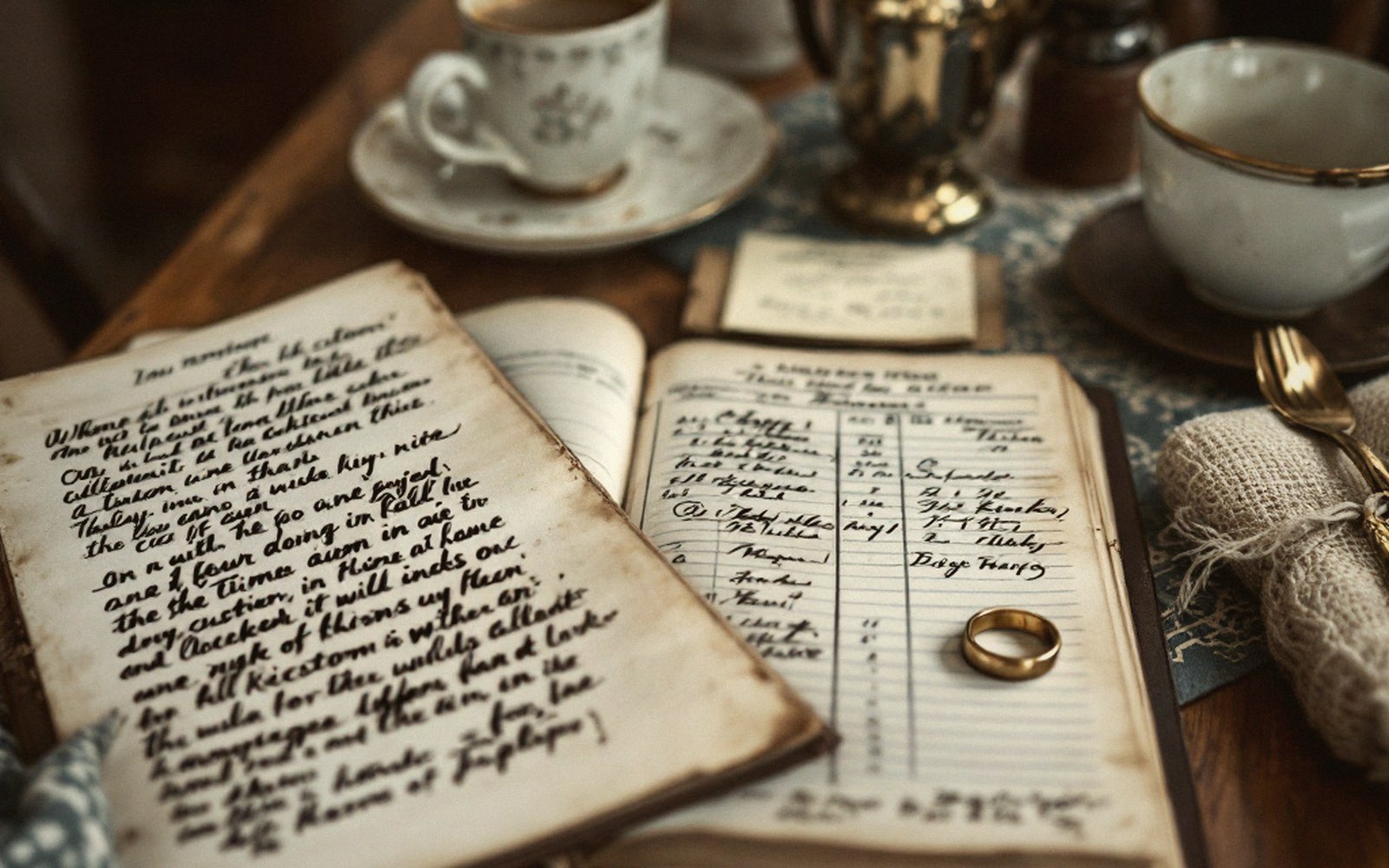
Household account books — sometimes called housekeeping books, domestic ledgers, or simply "the accounts" — appear across England, France, the Low Countries and colonial America in numbers large enough to constitute a distinct genre. The format was almost always the same: a column of dates, a column of items, a column of amounts, and a running balance. Some were printed forms sold specifically for the purpose; most were blank books the keeper ruled herself. What varies is the level of detail. A careful keeper in a middling household of the eighteenth century might record every pound of butter, every doctor's visit, and every tip to a tradesman's boy. A less systematic one might capture only the large and irregular expenses, trusting memory for the rest.
What the books record
The practical range of these accounts is what makes them so valuable to anyone interested in how houses actually worked. A single surviving book can yield the price of coal in a particular town in a particular winter, the weekly wage of a cook compared with a laundress, how often the household ate meat, and whether the family's financial position shifted across the years — all compressed into columns of shillings and pence that were never meant to be read by a stranger. The keeper was not writing for posterity. She was checking that the money added up.
That function matters. The wife who kept the accounts was not a passive recorder: she was the person who decided whether a tradesman was charging too much, whether the bread allowance needed adjusting, and how far the quarterly income would stretch. In households where the husband was away — at sea, on business, managing an estate in another county — she was also the person negotiating credit with local suppliers and deciding when to call in small debts. The account book was her instrument for that work.
The format was almost always the same: a column of dates, a column of items, a column of amounts, and a running balance.
The books are also a corrective to the legal record. In England before the Married Women's Property Act 1882, a wife's earnings and most of her personal property passed legally to her husband on marriage. The account books, however, show her exercising continuous independent judgement over real sums of money. The law described one thing; the ledger quietly recorded another.

Survival is uneven, as it always is. Books from wealthy households were more likely to be kept and stored; books from working households were more likely to be discarded when they were full. The ones that remain skew toward the prosperous middling and gentry classes — women literate enough to keep the accounts accurately and housed in buildings solid enough to preserve paper across generations. The domestic economy of ordinary households is correspondingly harder to reconstruct, though occasional fragments surface in estate records, probate inventories, and the inventory records that listed what each party brought to the household at the time of marriage.
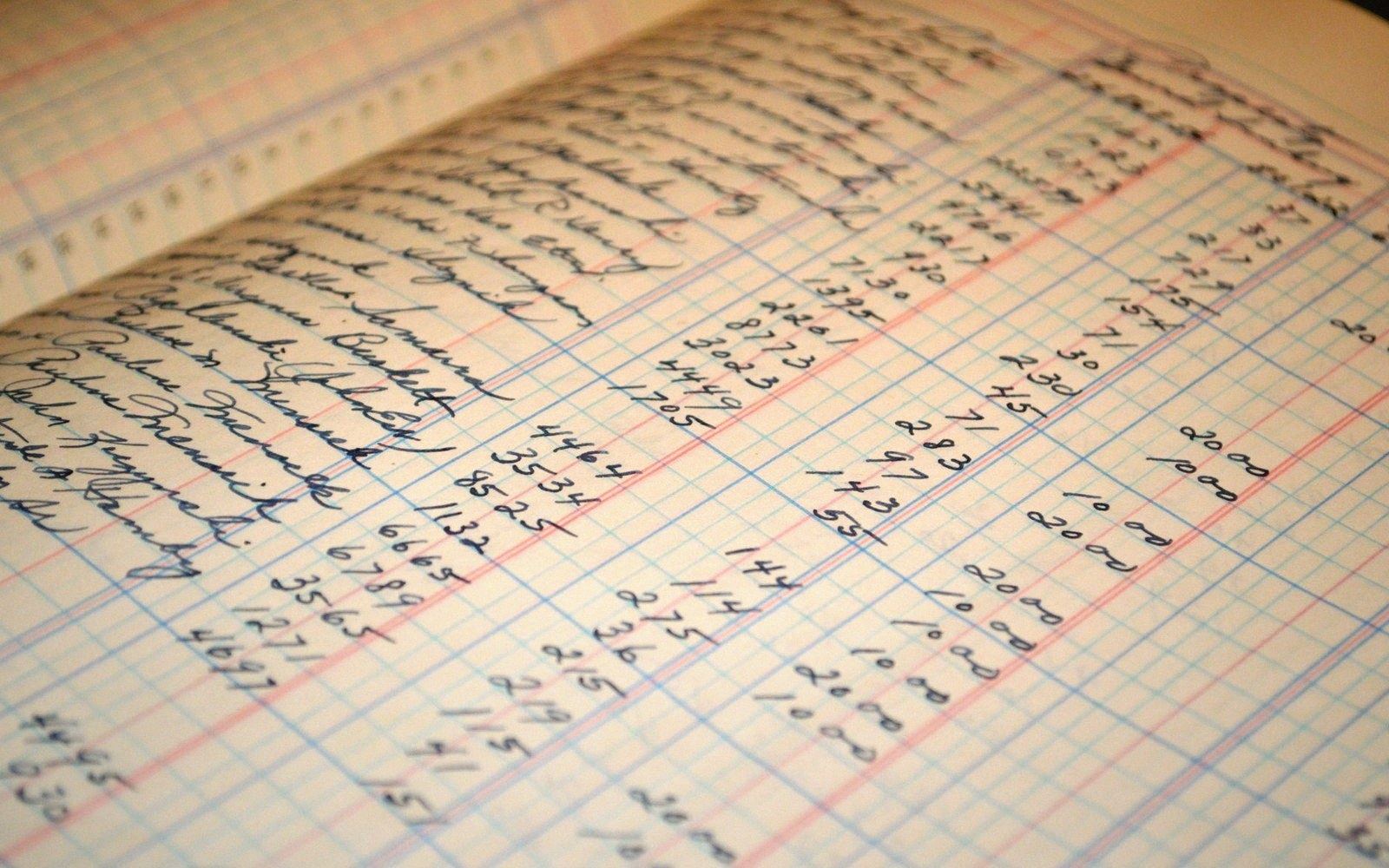
The hand in these books is almost always identified in passing — "my wife's account," a husband might note at the front, or a son copying a clean version from his mother's rough draft might add her name as a courtesy. That small detail is often all the attribution there is. The accounting was hers; the recognition was incidental.